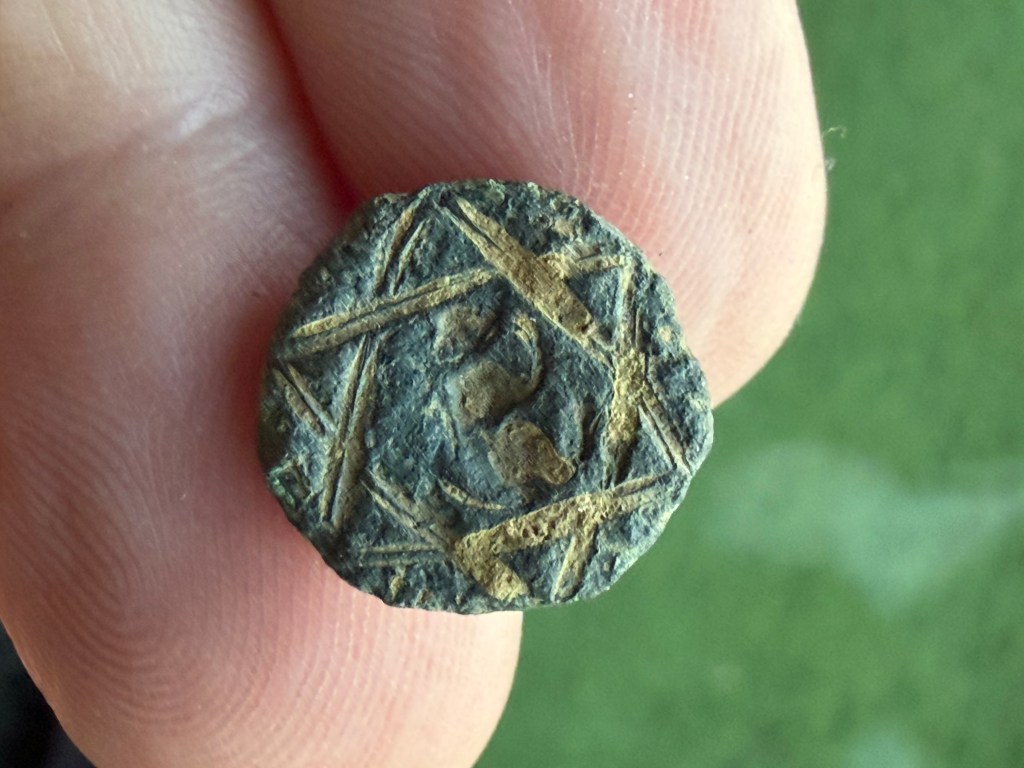
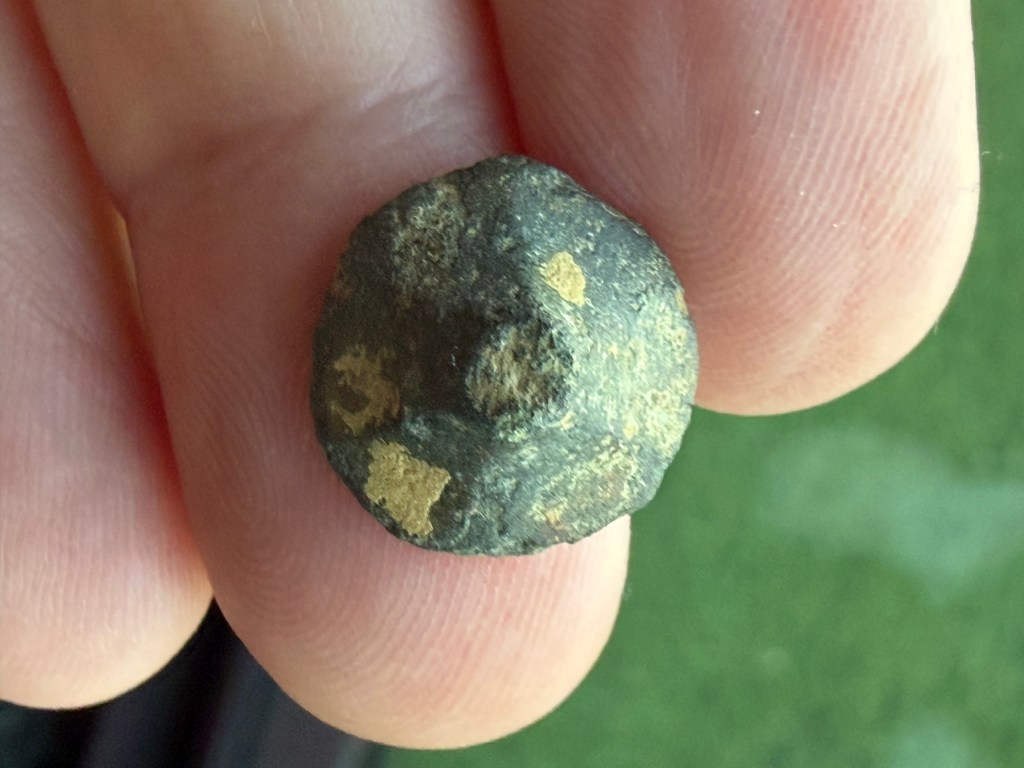
In the Middle Ages, personal seals served as a person’s authenticated signature on charters, letters, legal agreements, and other important documents.
The seal matrix—the small engraved tool used to create the impression—was commonly made of bronze, brass, silver, or occasionally precious metals, with its design cut in reverse so it appeared correctly in wax.
I have found three so far.
This first one, as you may have seen elsewhere on this site, was my first “decent” find and is recorded on the British Museum’s Portable Antiquities Scheme here.
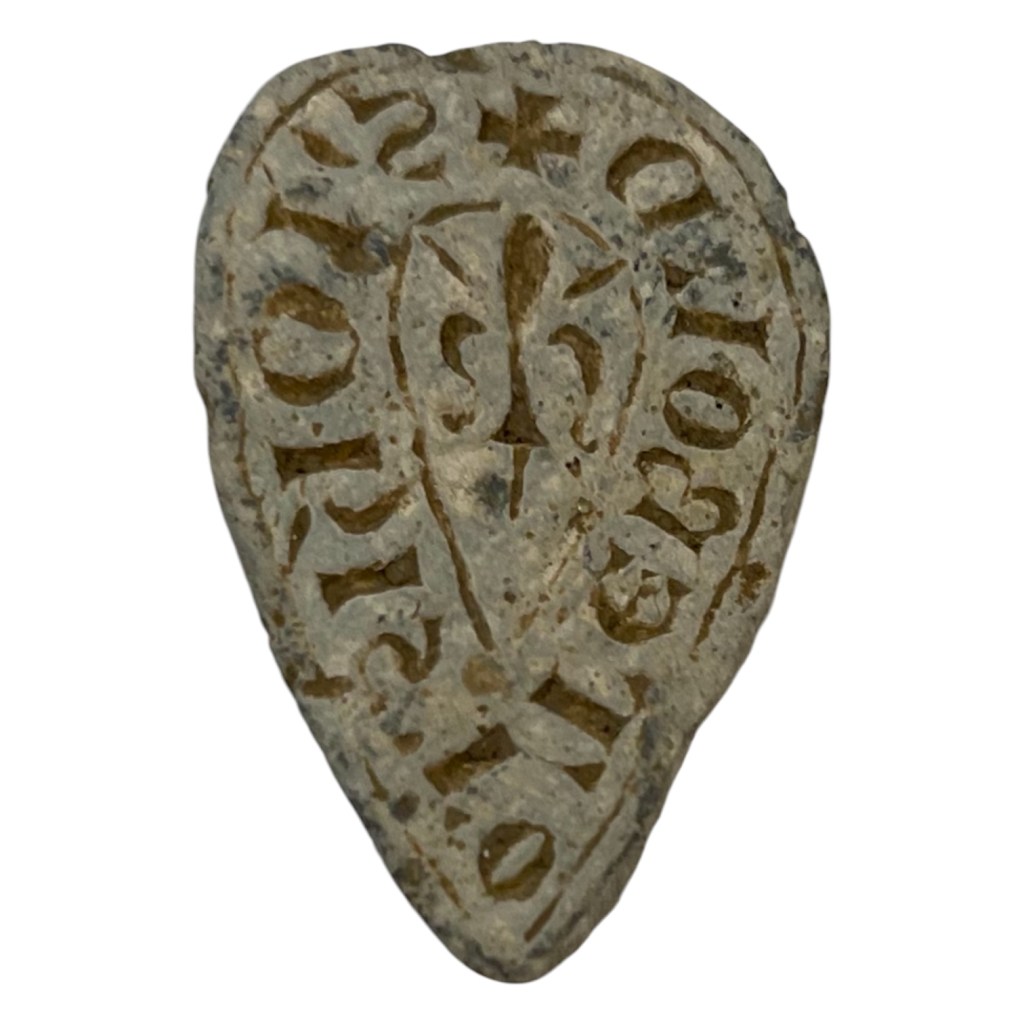
This second one is unusual in that the inscription is legible face on. Usually, they are transposed so they come out correctly in the wax. I can’t help wondering, therefore, if it was either a mistake or a sample. Either way, it is recorded on the British Museum’s Portable Antiquities Scheme here.
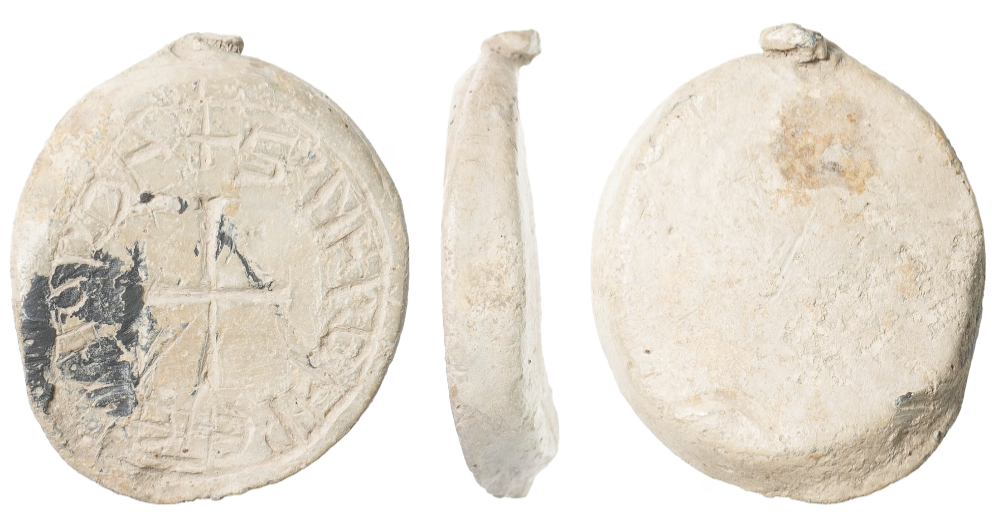
This final seal appears to feature a six-pointed star; its original owner and use are uncertain. Perhaps it is a Star of David and so may have been used by a Rabbi or some other person involved with the Jewish faith.