Roman rule in Britain began with Emperor Claudius’s invasion in AD 43, although Julius Caesar had made earlier expeditions in 55 and 54 BC. Over the following decades, Roman armies defeated or absorbed many local kingdoms and established the province of Britannia. Control was strongest in what are now England and Wales; much of modern Scotland remained beyond durable Roman rule.
The administration faded in the early fifth century as the western empire faced crises elsewhere. Around AD 410, Britain was effectively left to govern and defend itself. Roman influence did not vanish overnight: its roads, towns, Christianity, language, and ideas continued to shape the societies that followed.
Roman finds are one of the things that make metal detecting in Britain so addictive. You can walk across an ordinary-looking field and turn up something that was lost nearly 2,000 years ago.
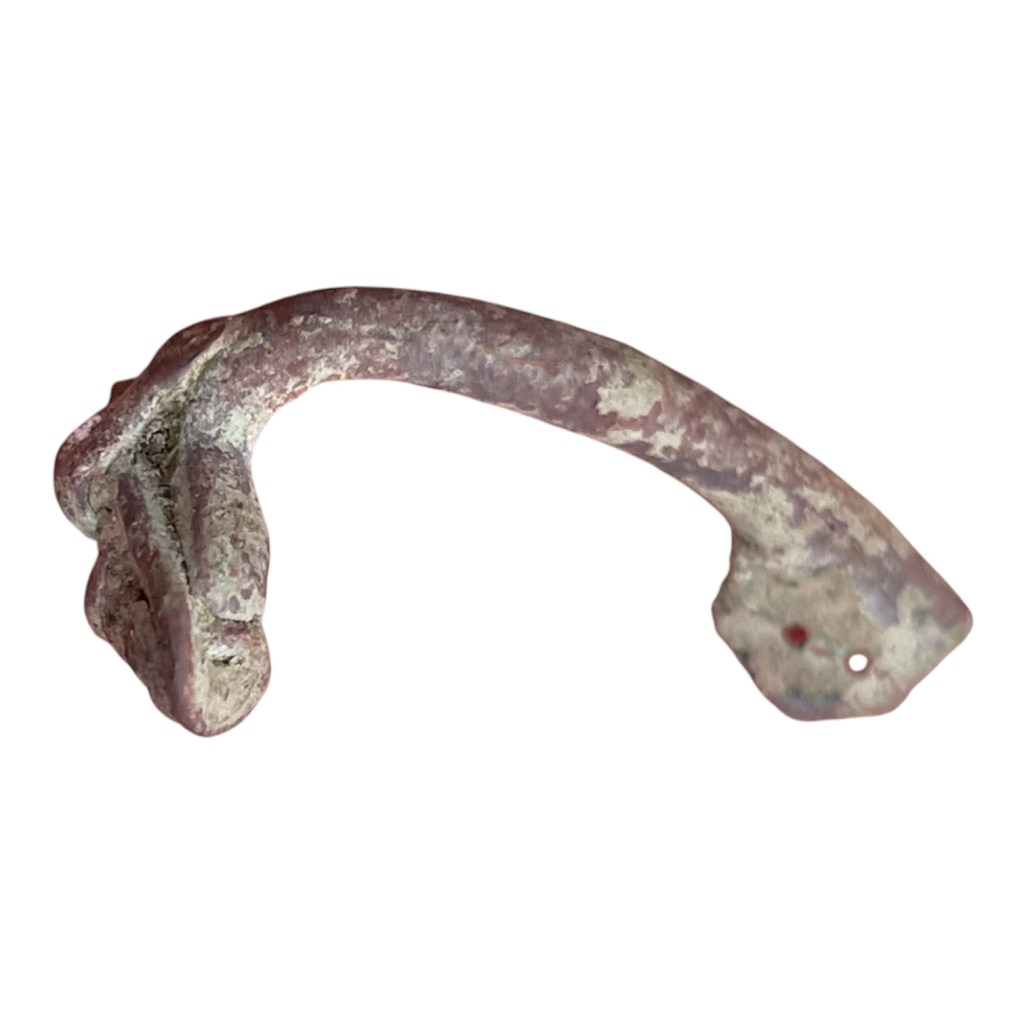
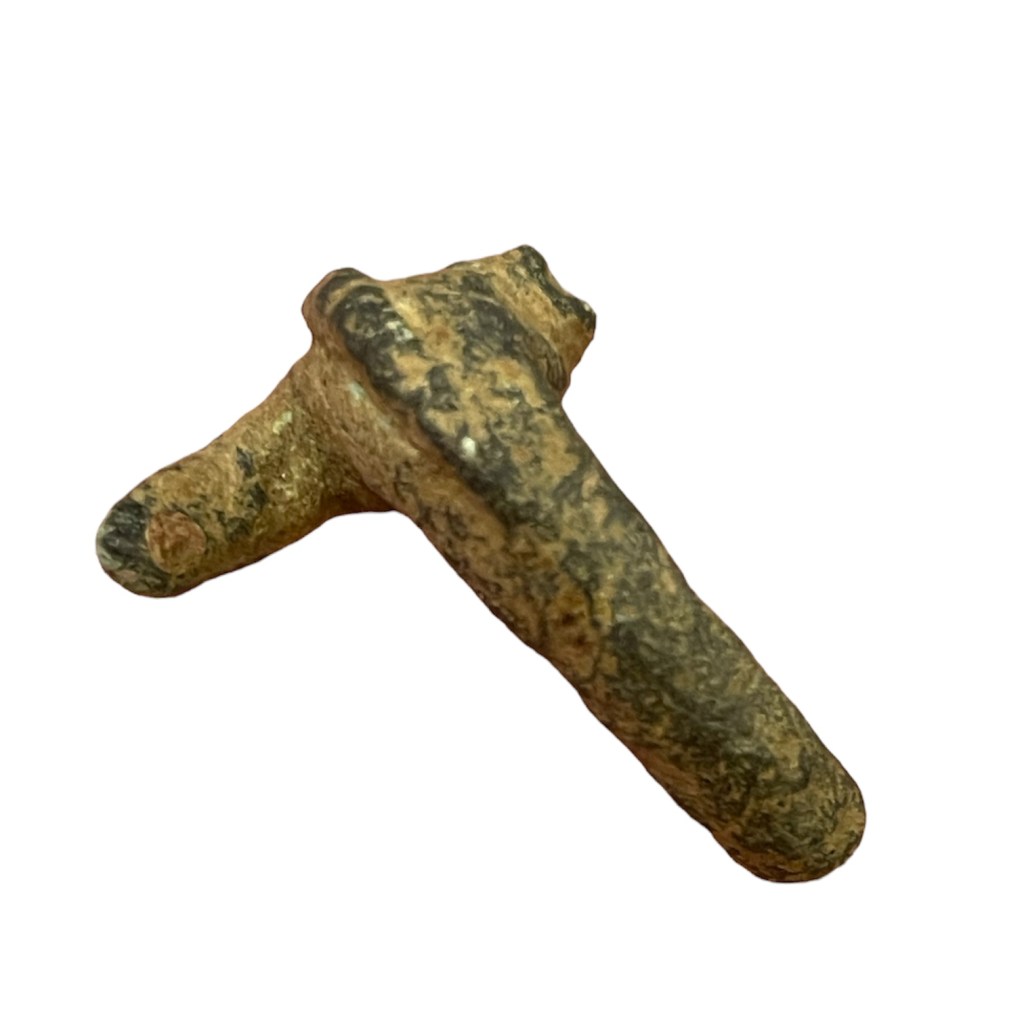
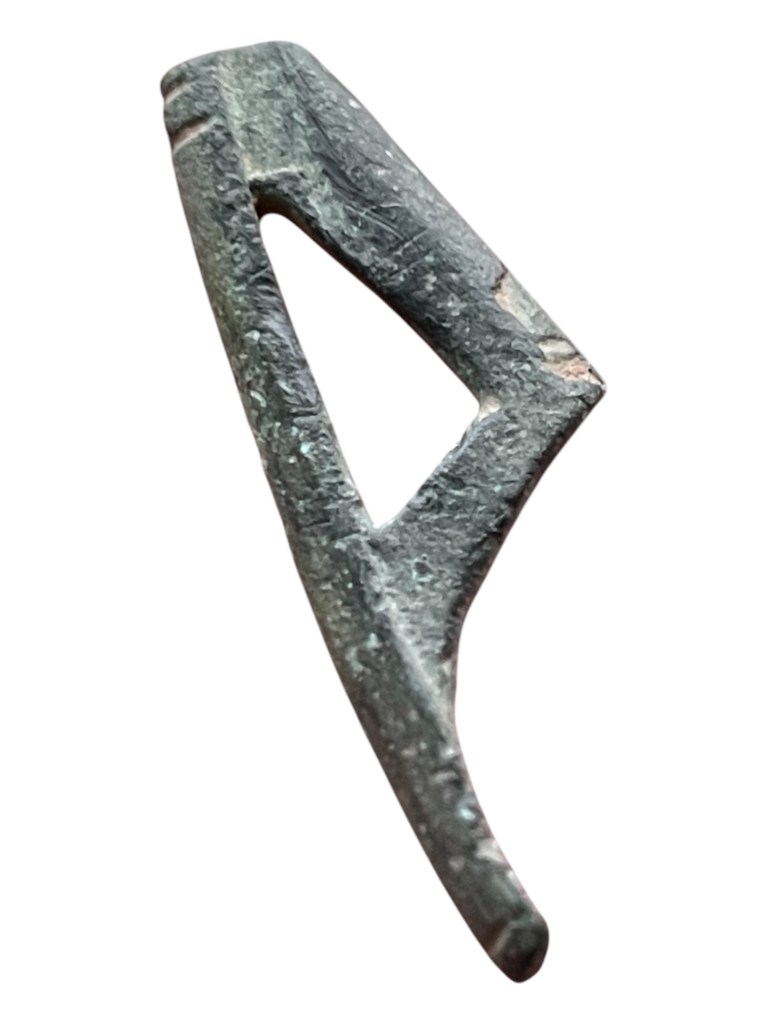
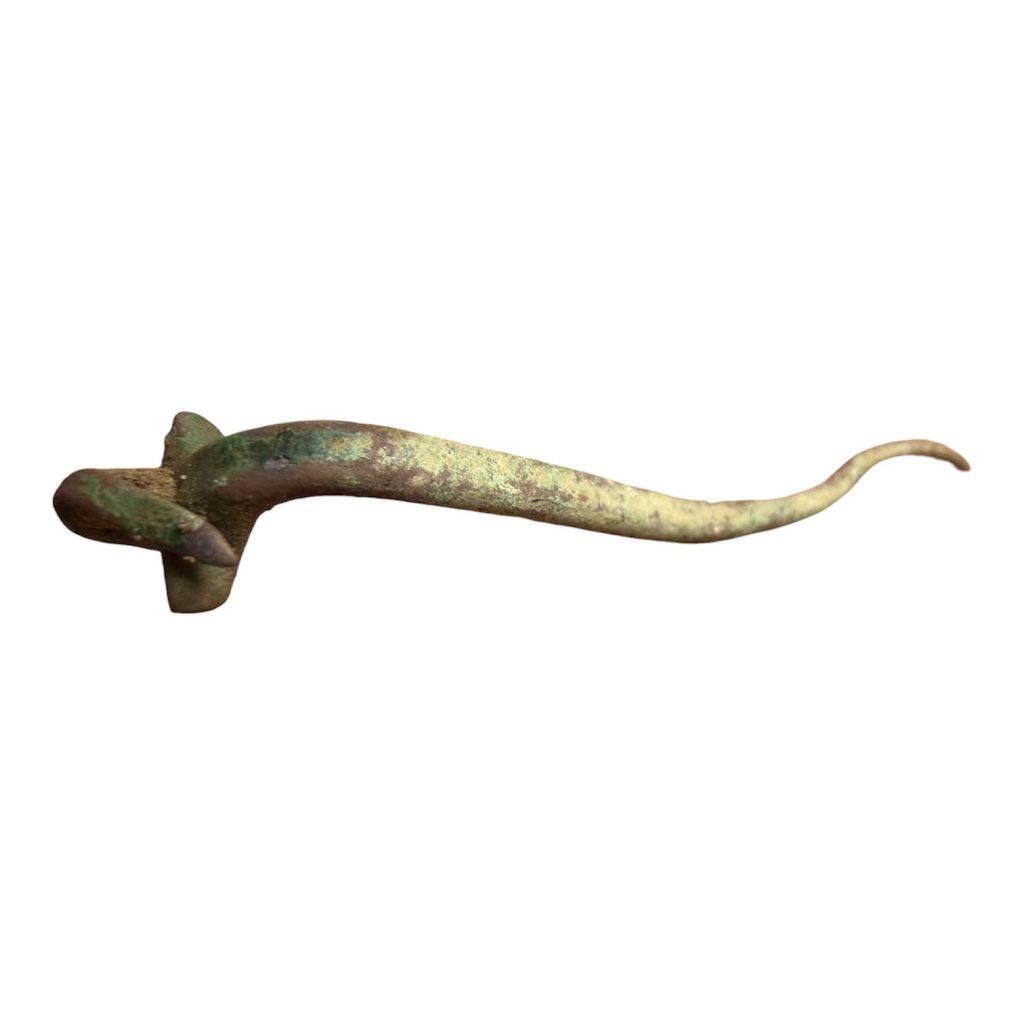
Fibulae and Brooches
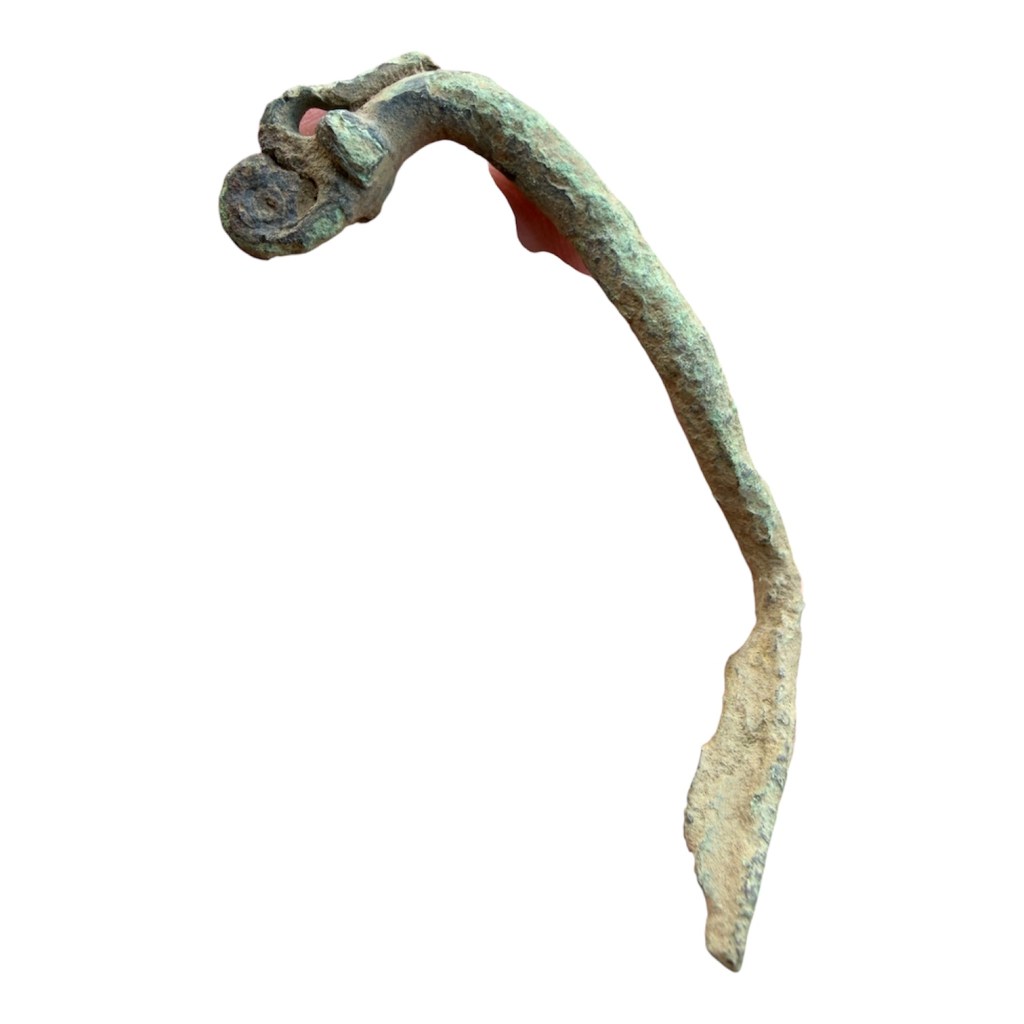
Roman fibulae were practical fasteners used to secure clothing — especially cloaks, tunics, and shawls — before buttons became common. Typically made from bronze, iron, silver, or gold, they worked much like a safety pin: a spring or hinge held a pin that passed through fabric and caught in a clasp. Their forms evolved from simple bow-shaped pins in the early Roman period to elaborate crossbow fibulae with large springs and prominent knobs in late antiquity.
Beyond their everyday purpose, fibulae also served as jewelry and social signals. Wealthier Romans might wear finely cast, gilded, enamelled, or gem-set examples, while military styles could indicate rank, occupation, or regional identity. Archaeologists use their changing shapes, materials, and decorative motifs to date sites and trace trade and cultural contact across the Roman Empire.
Coins
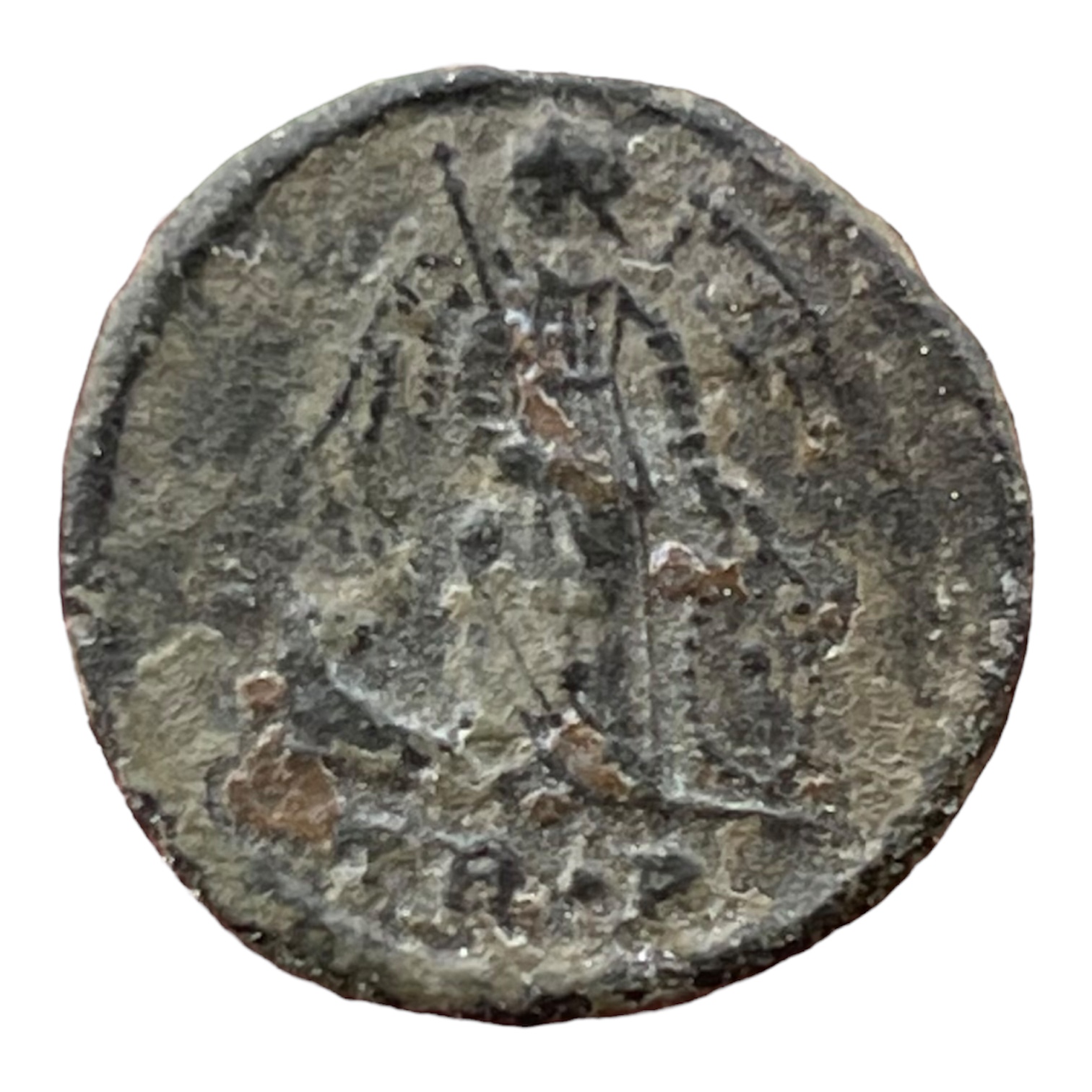
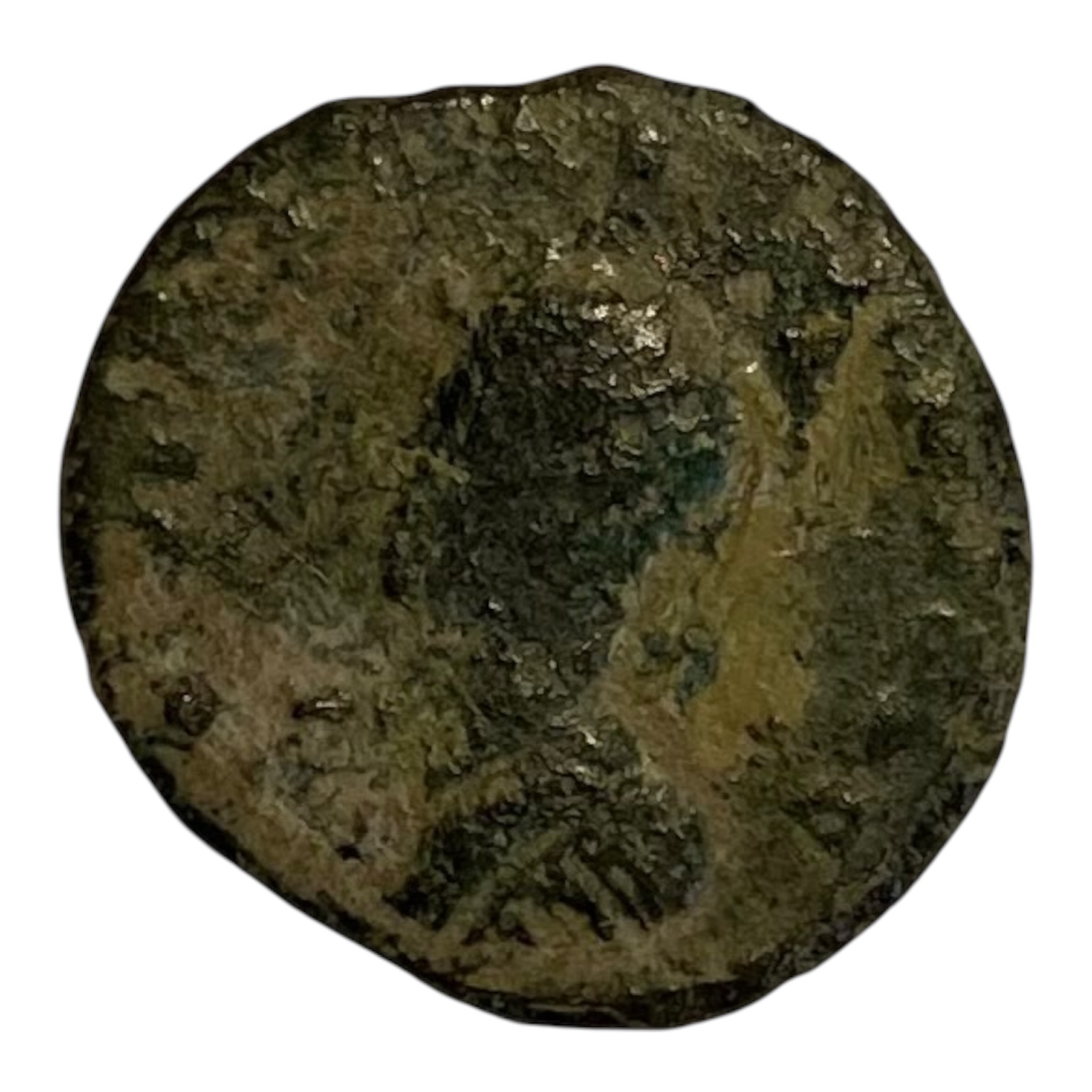
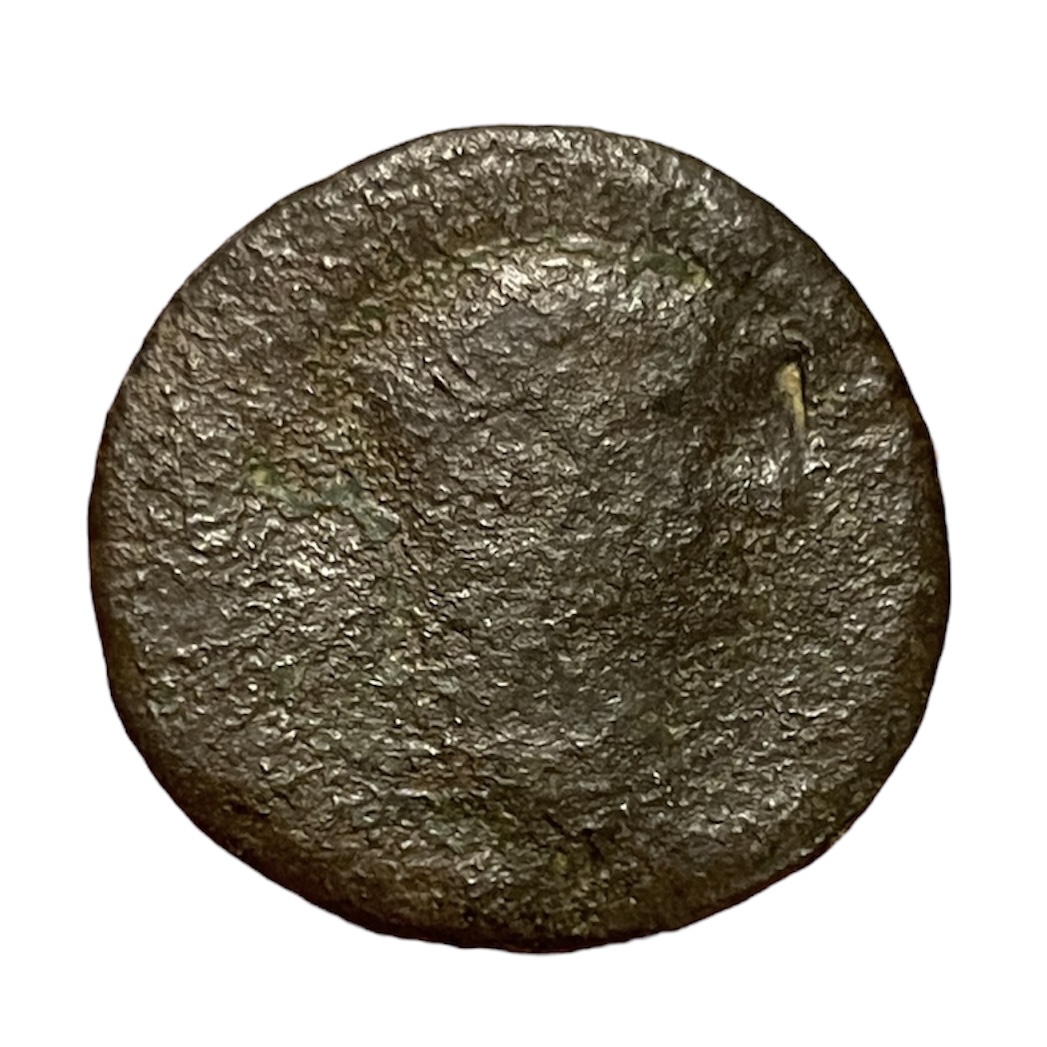
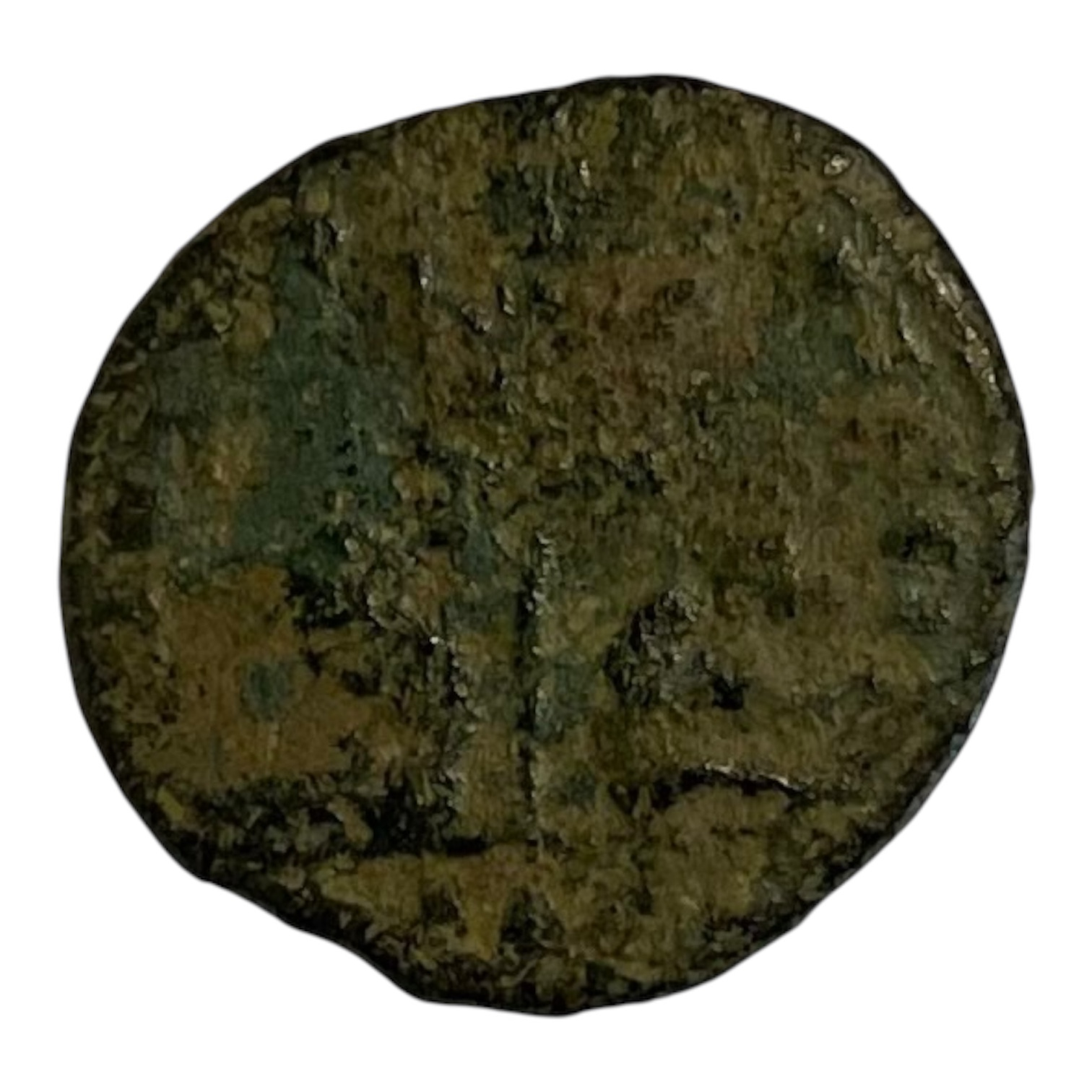
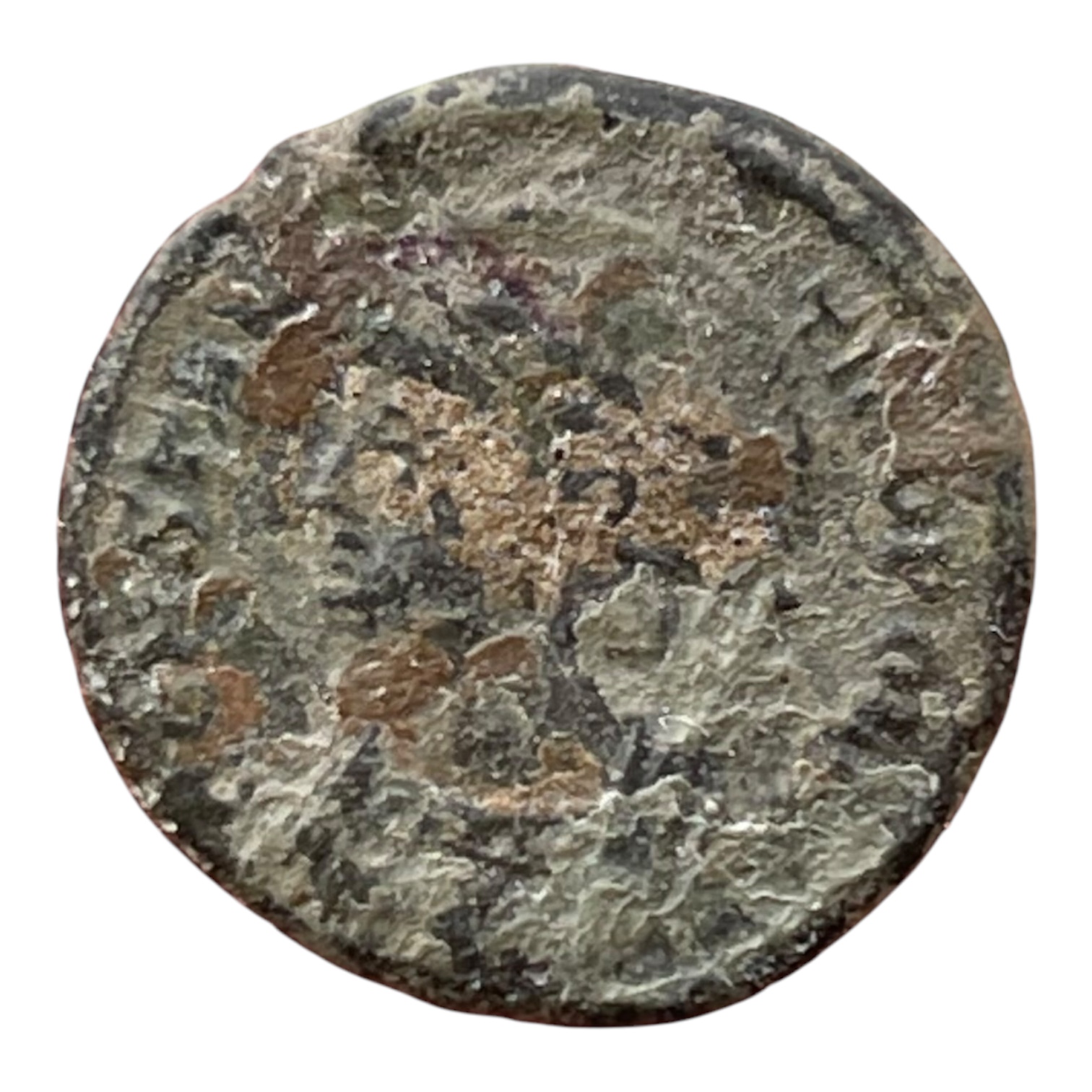
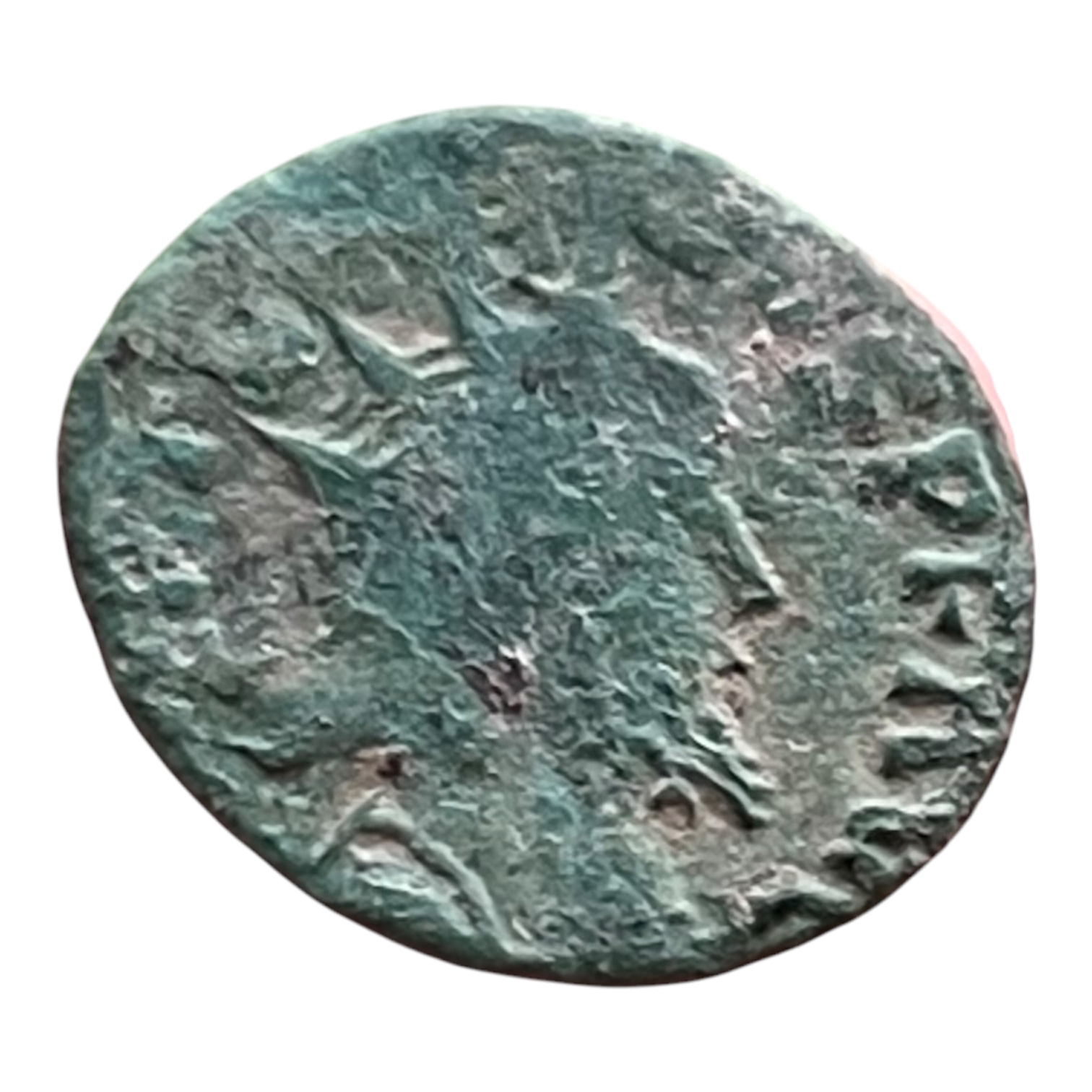
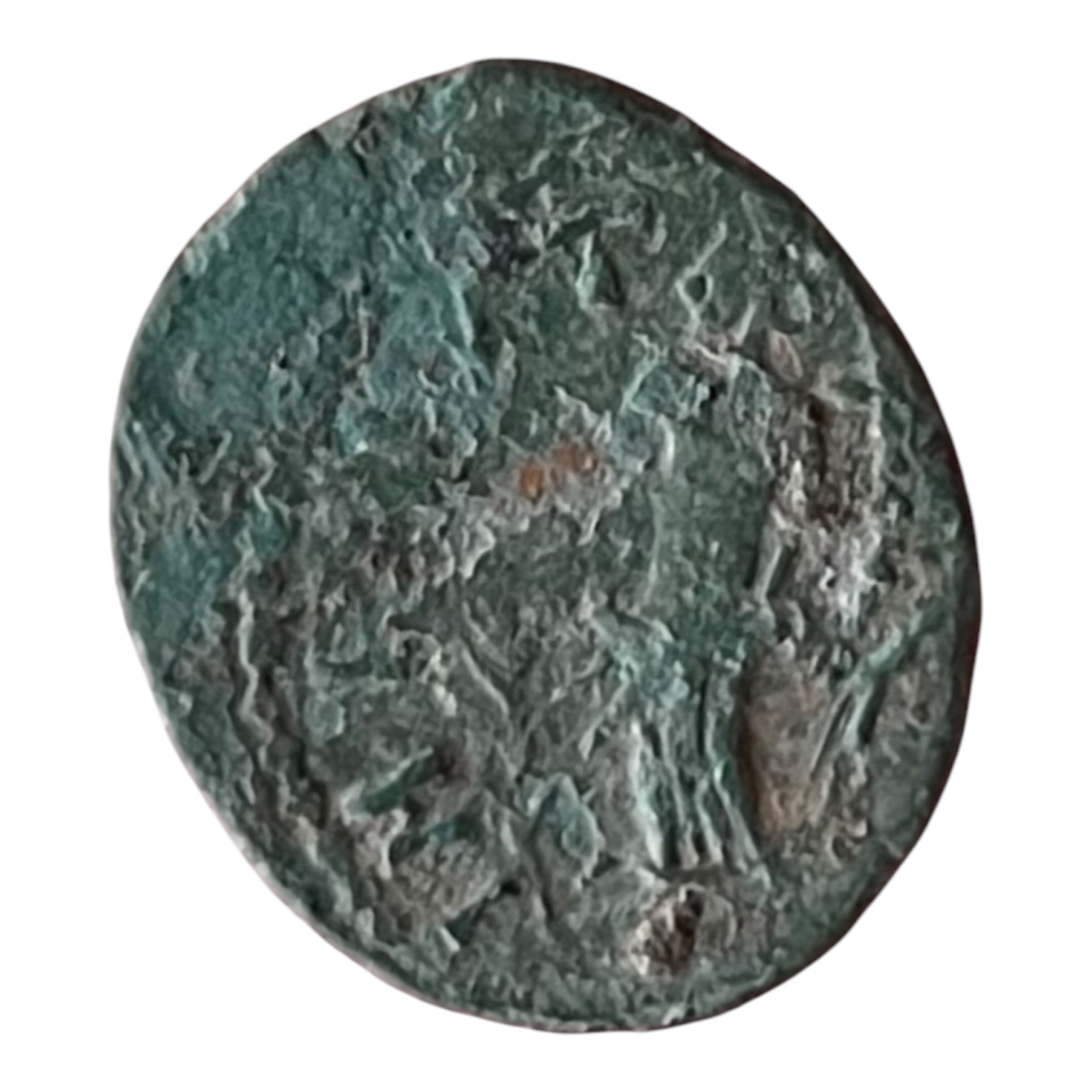
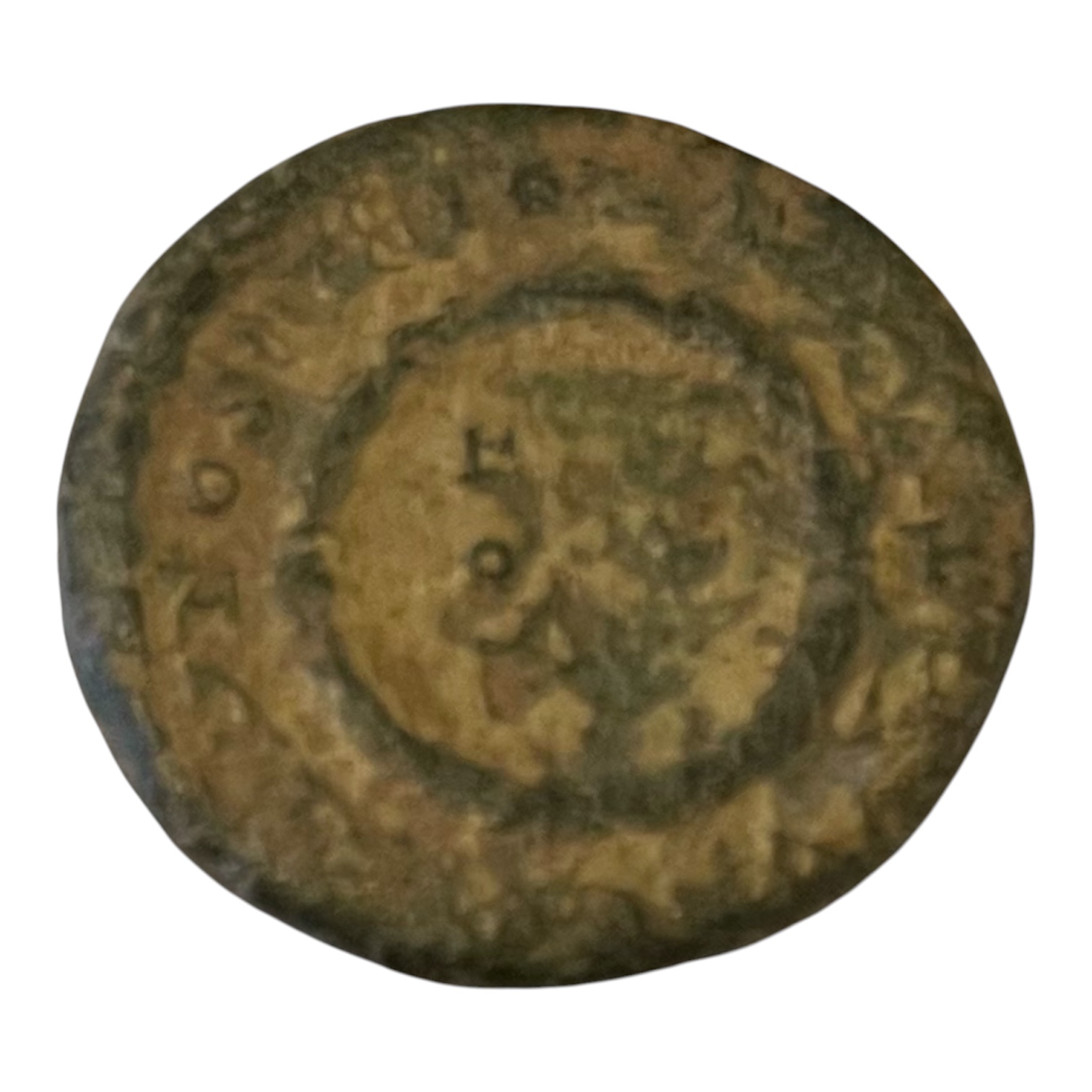
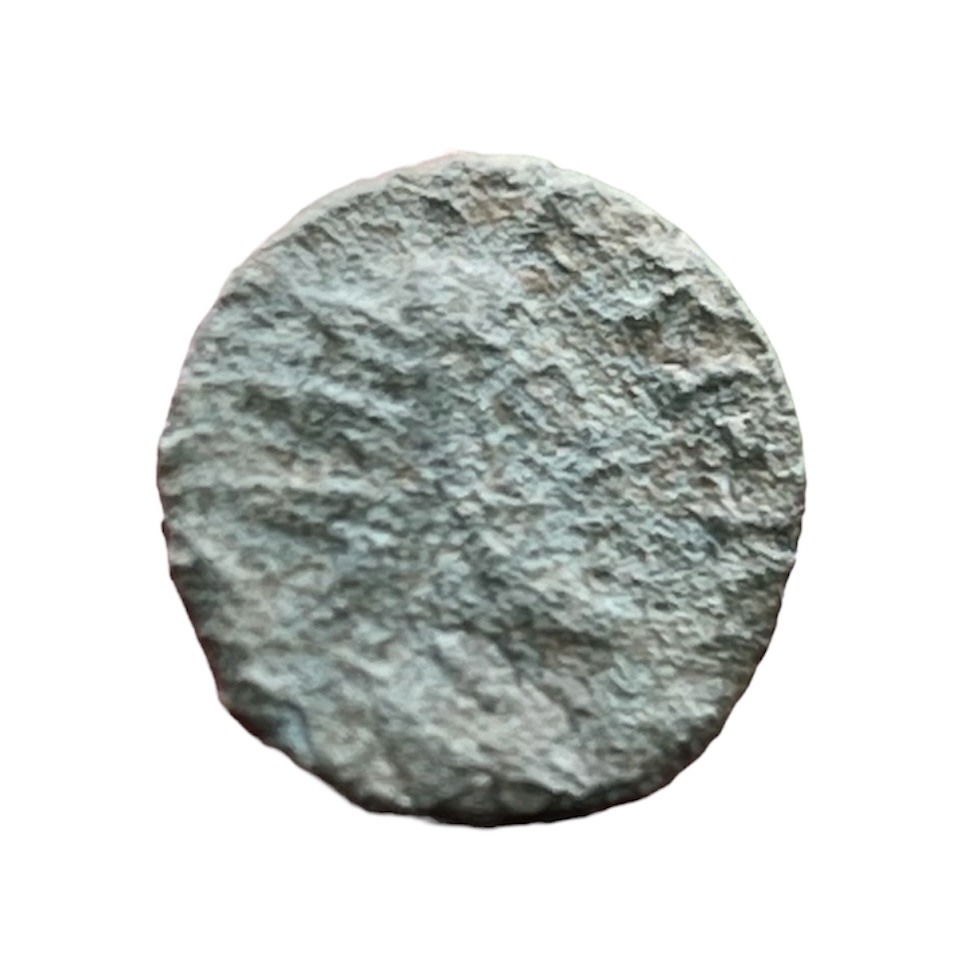
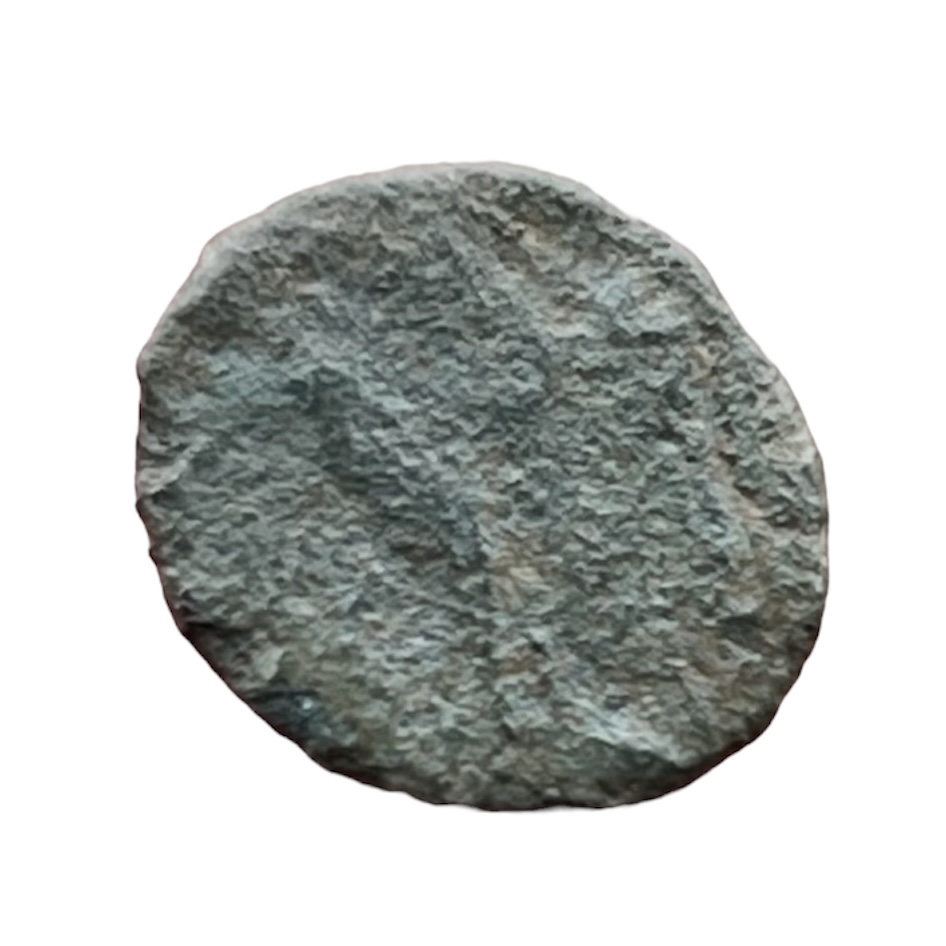
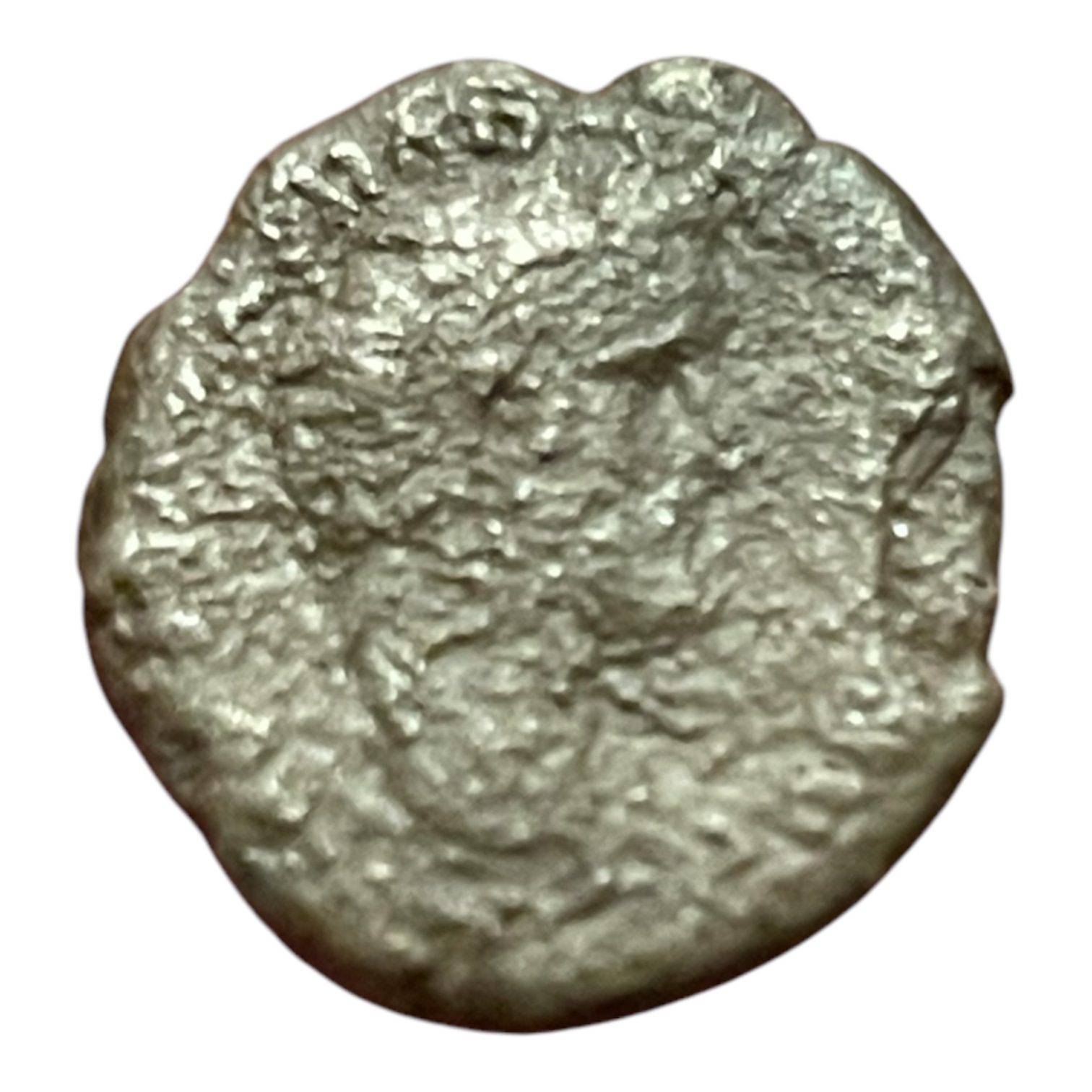
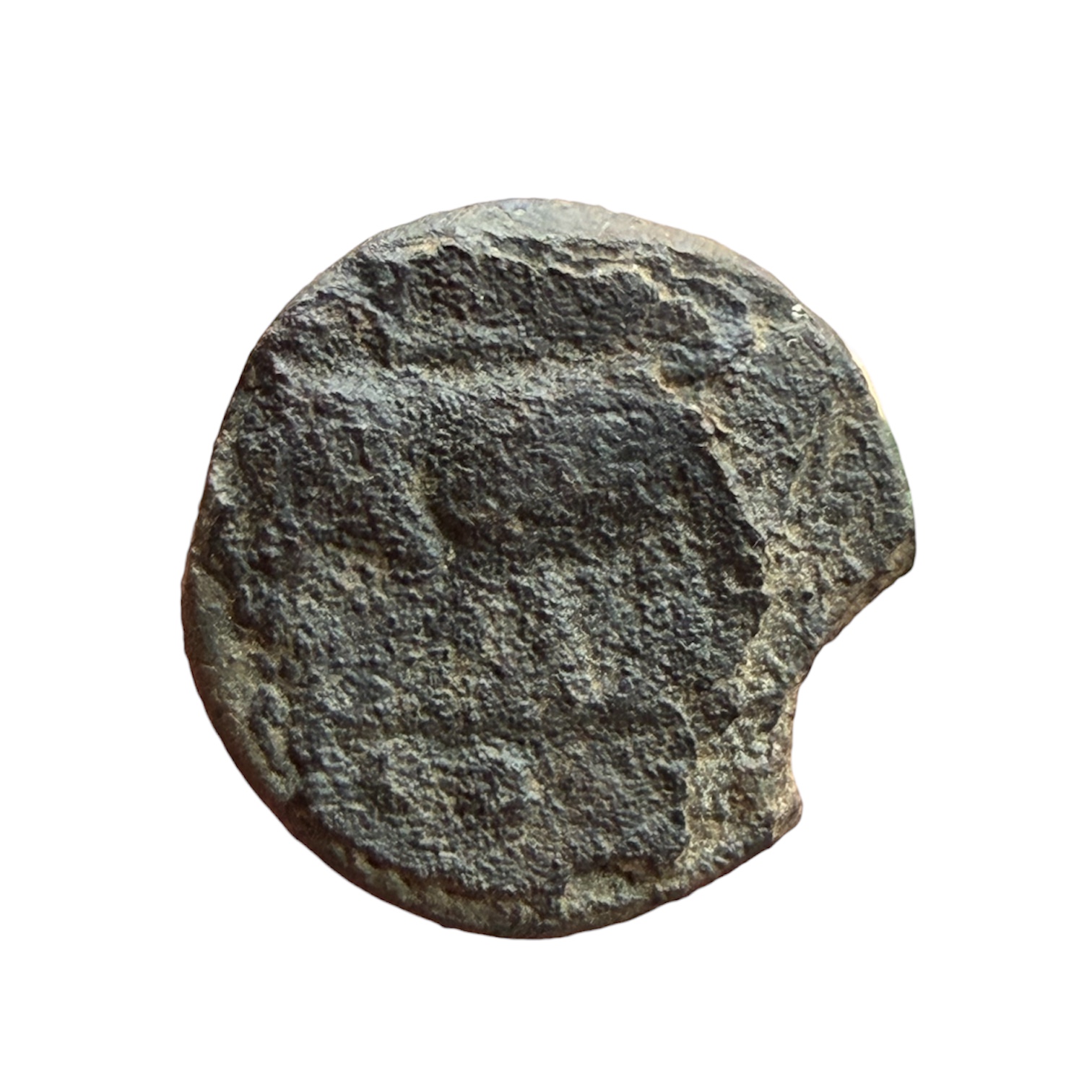
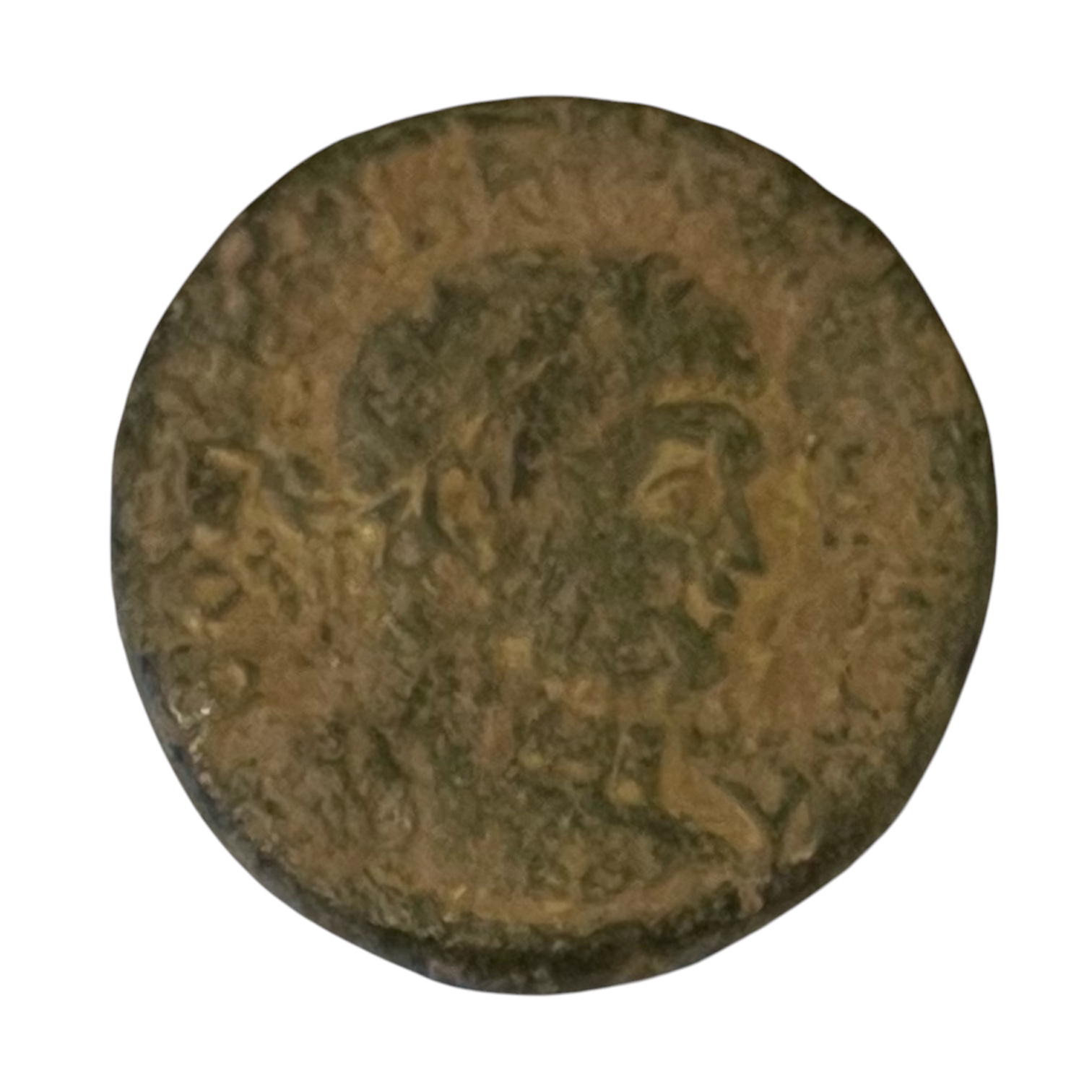
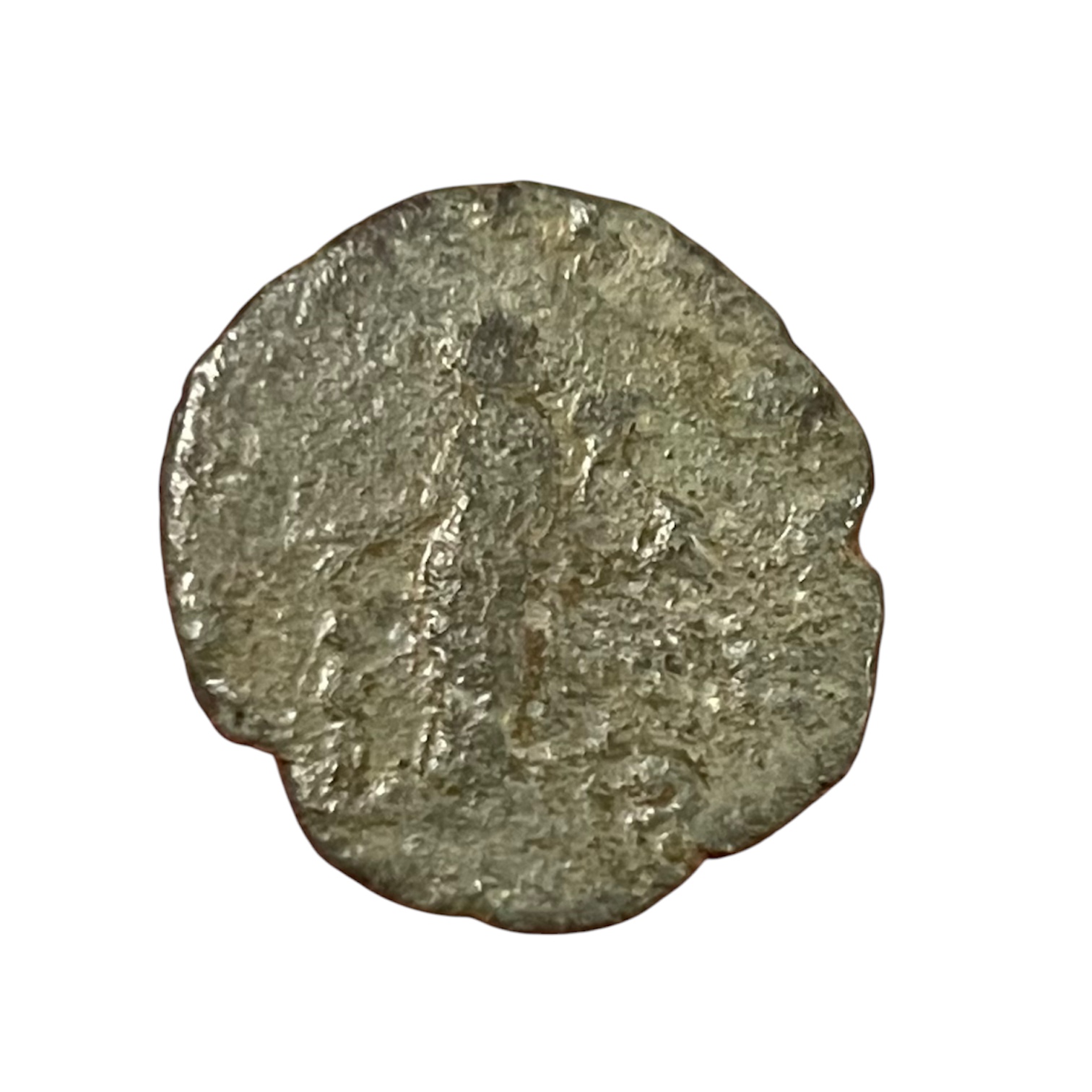
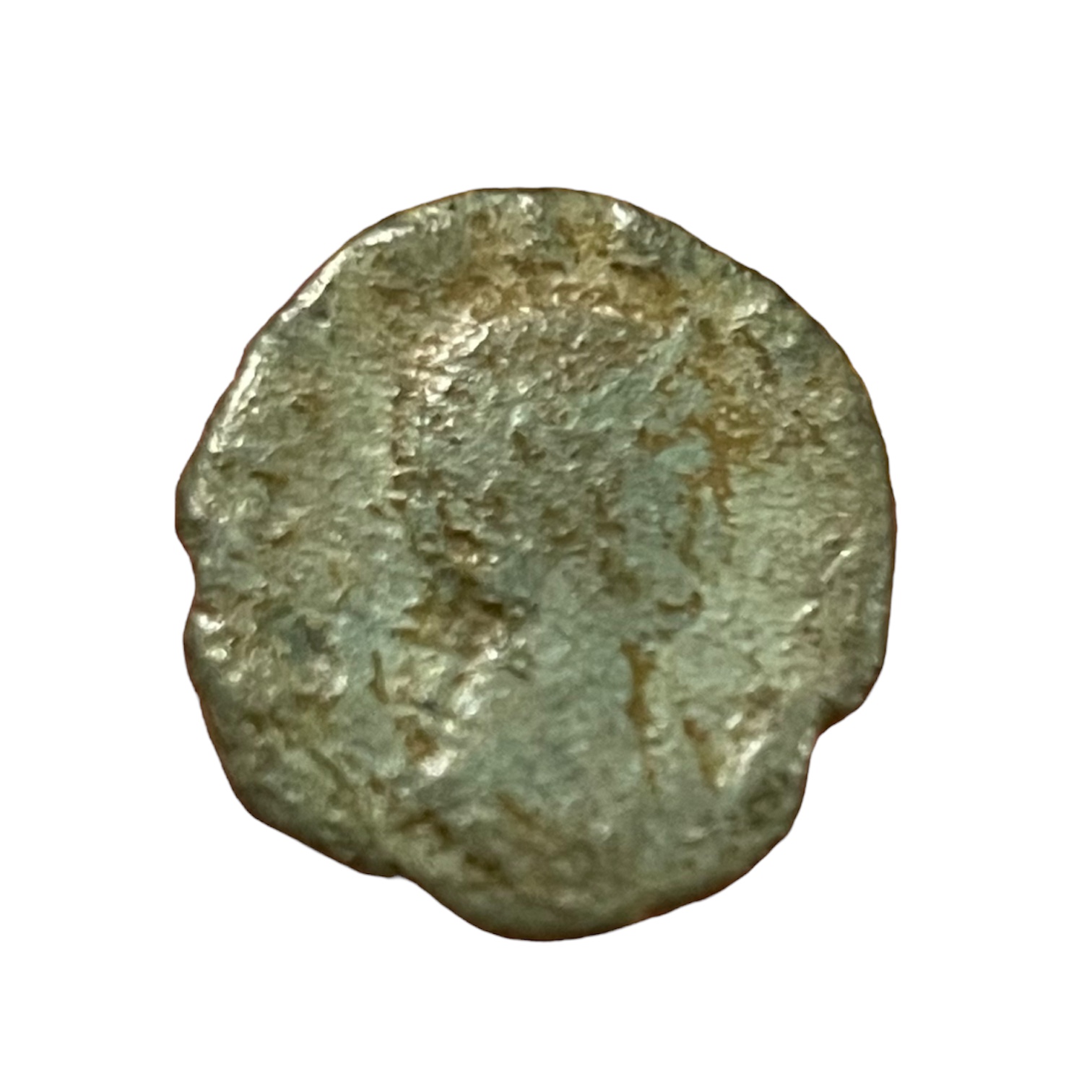
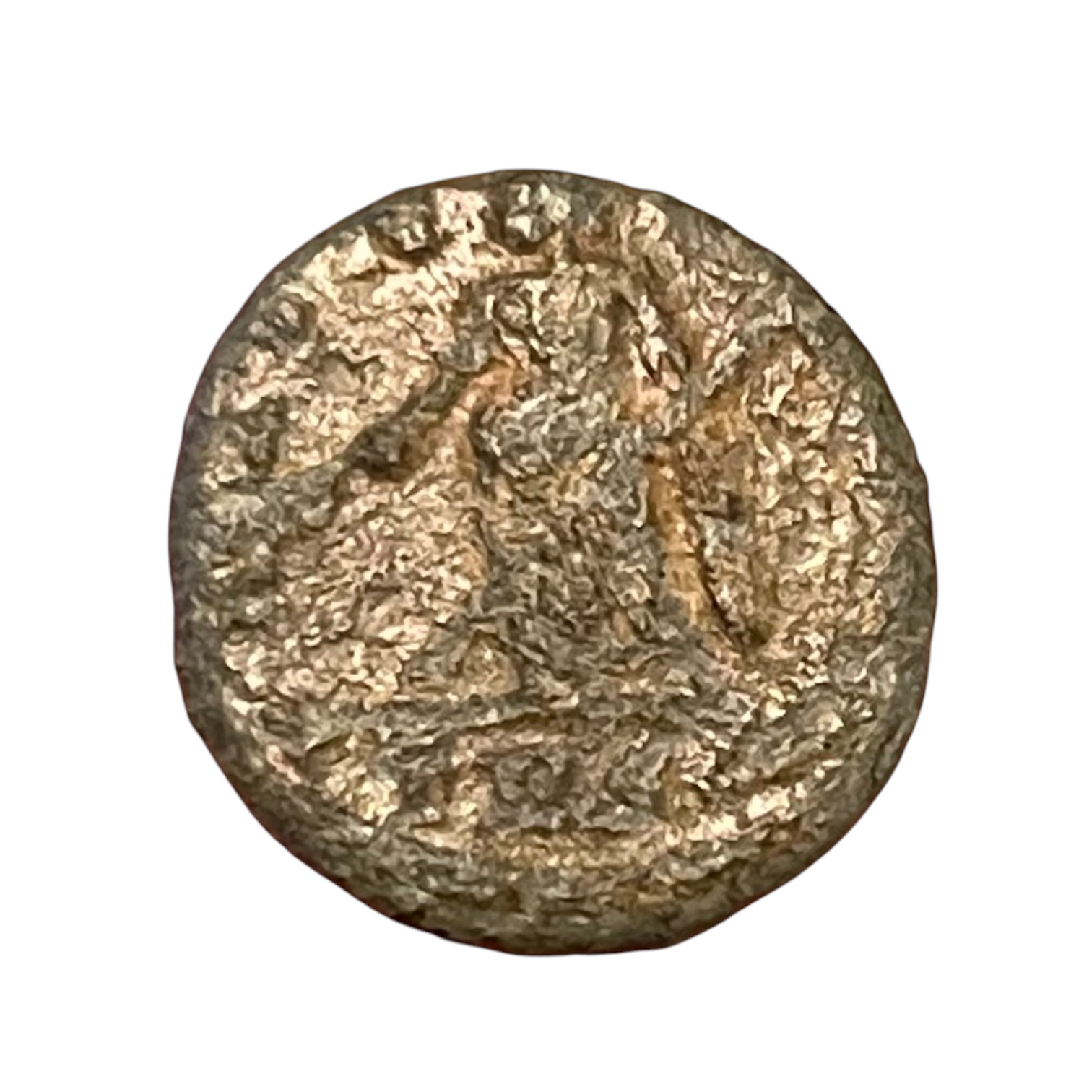
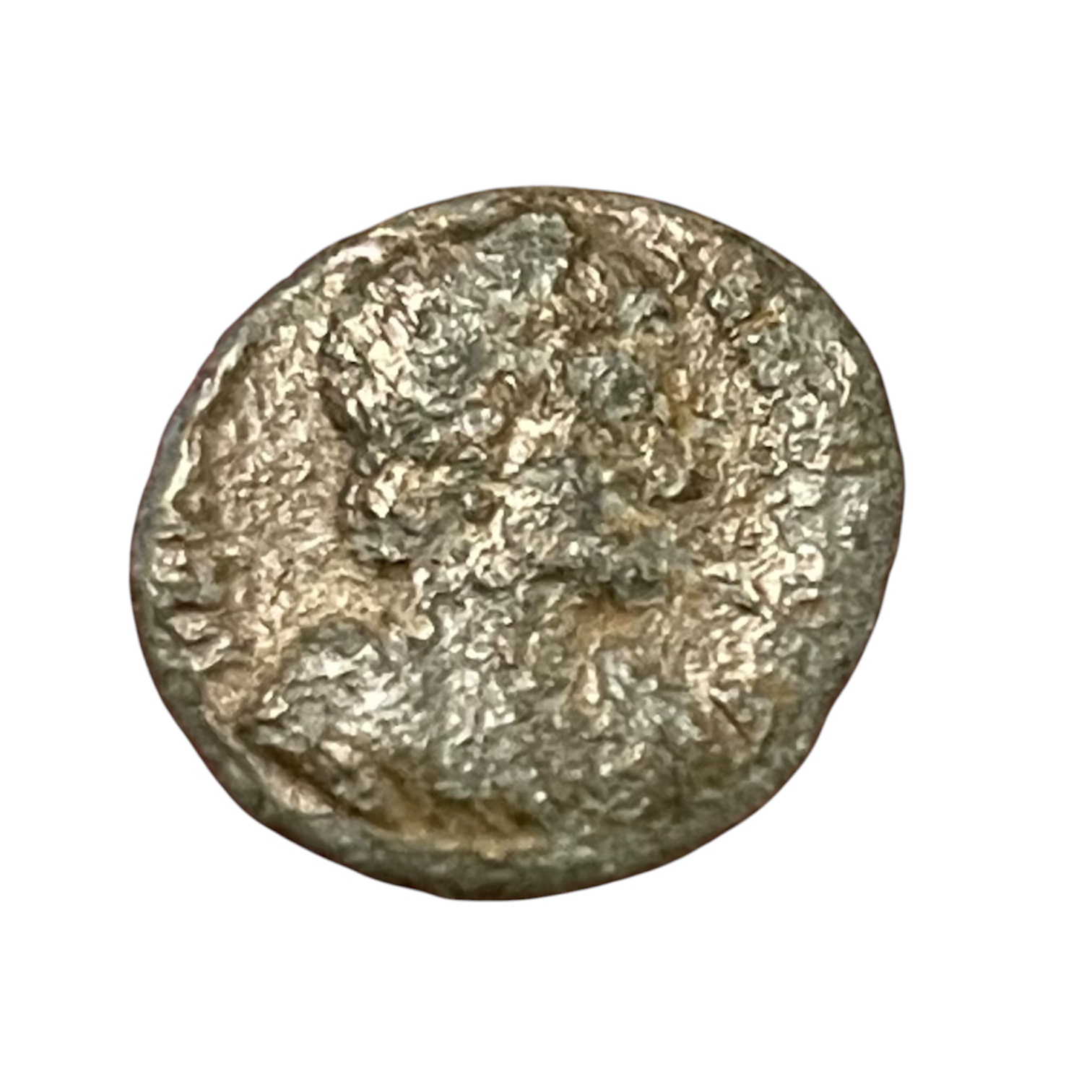
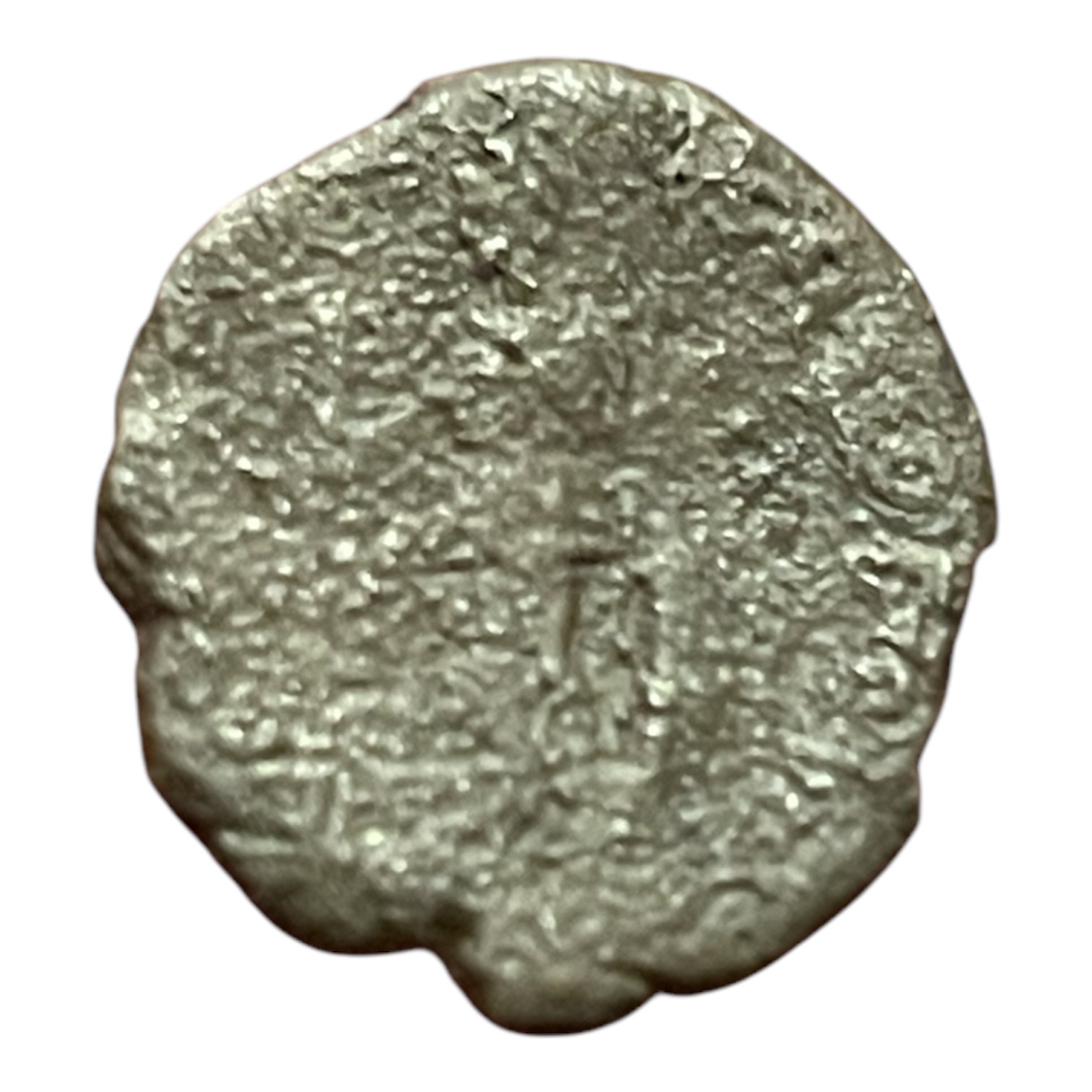
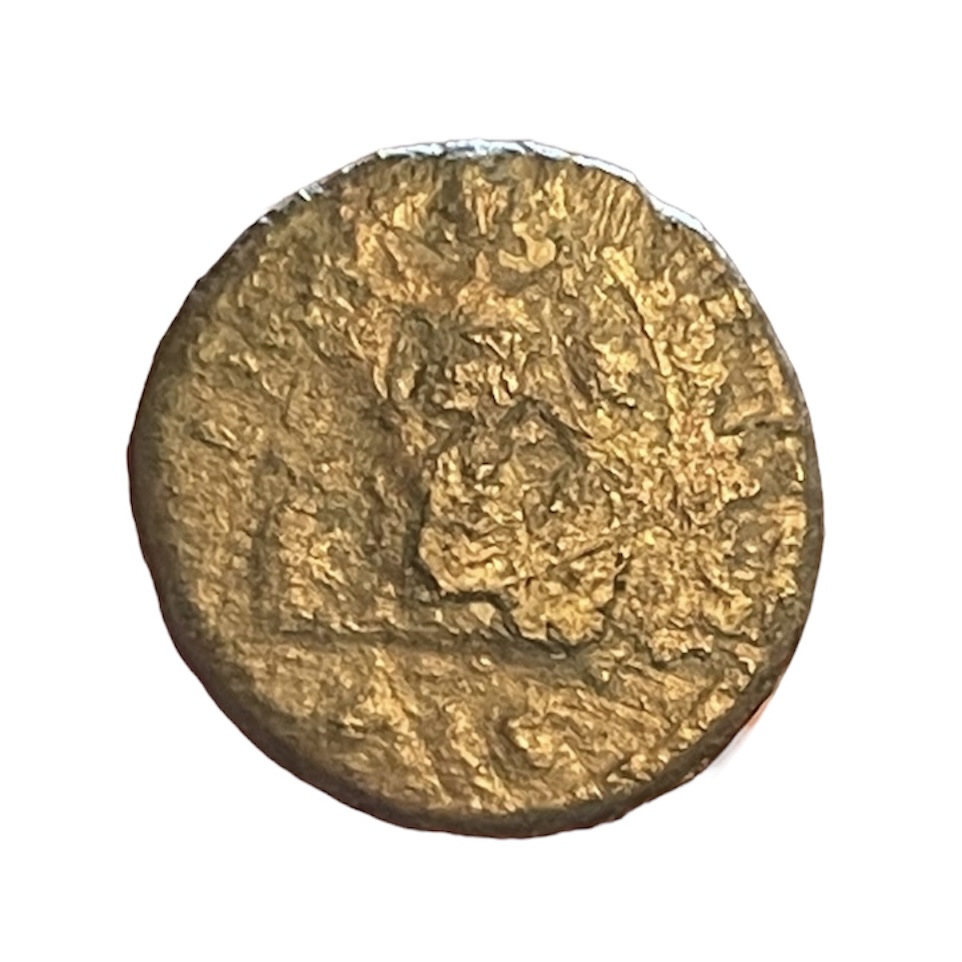
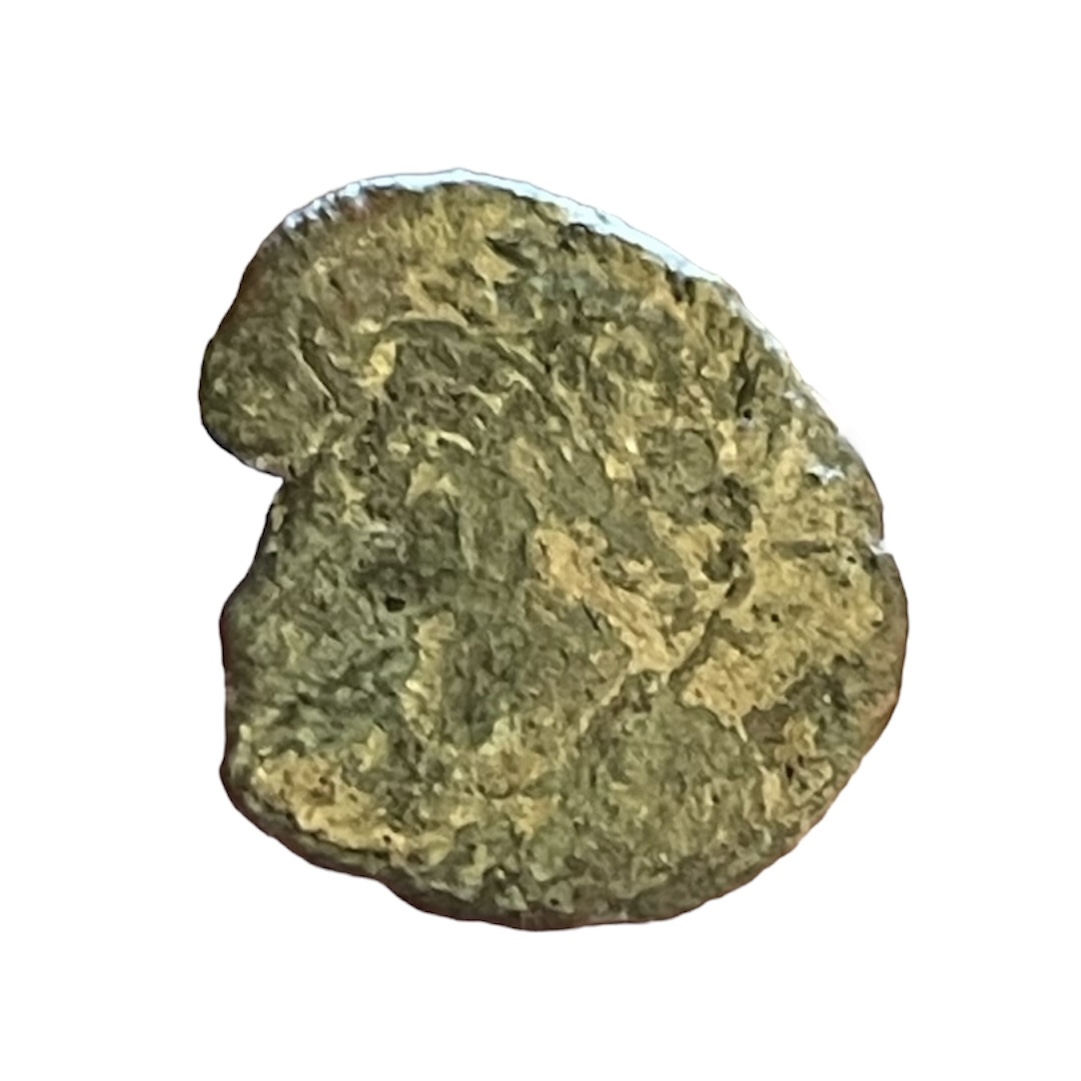
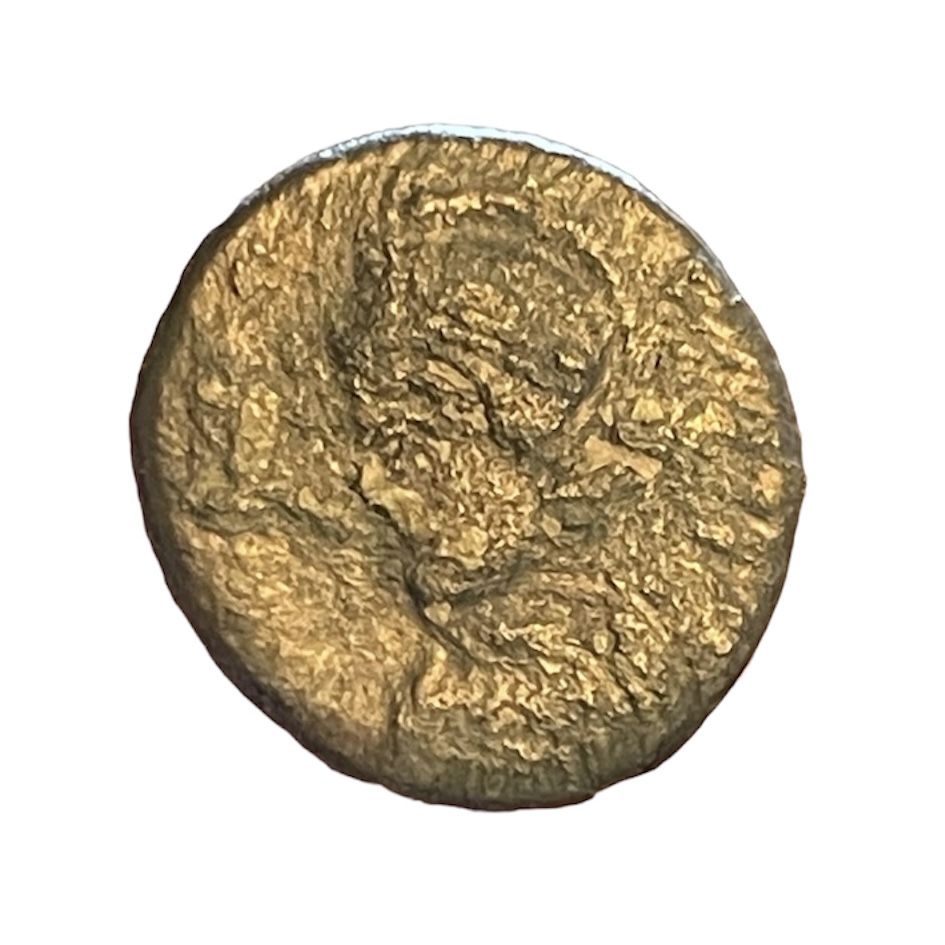
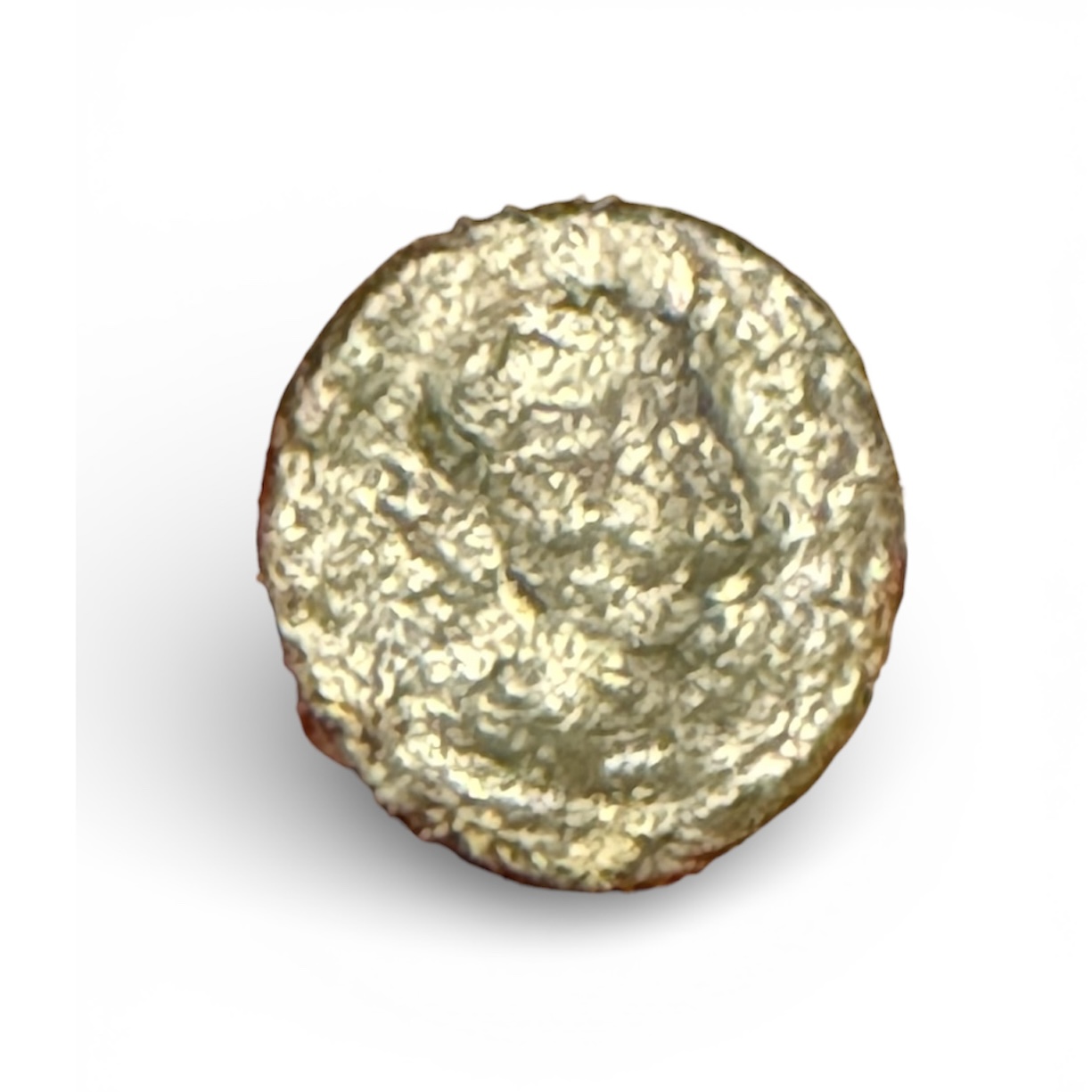
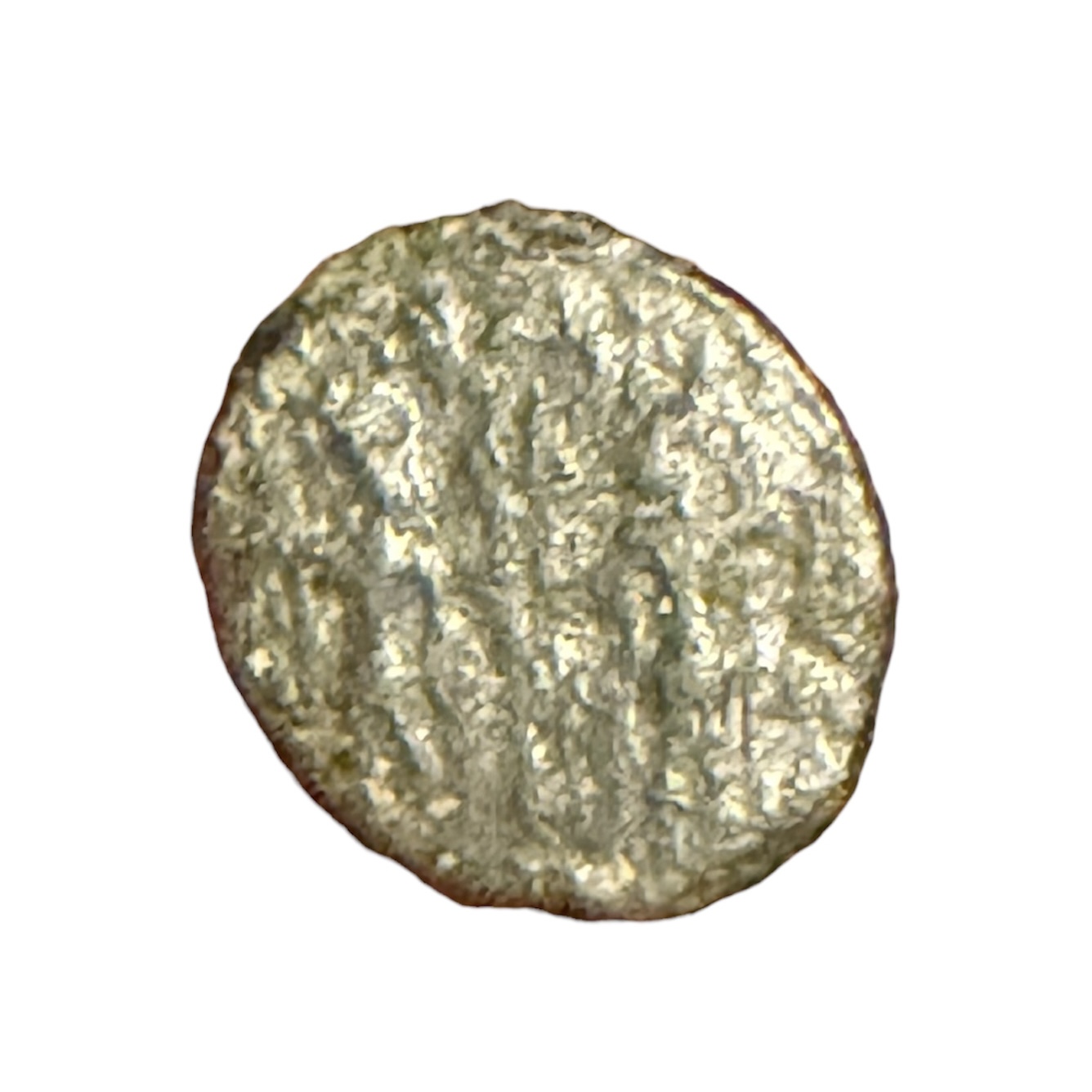
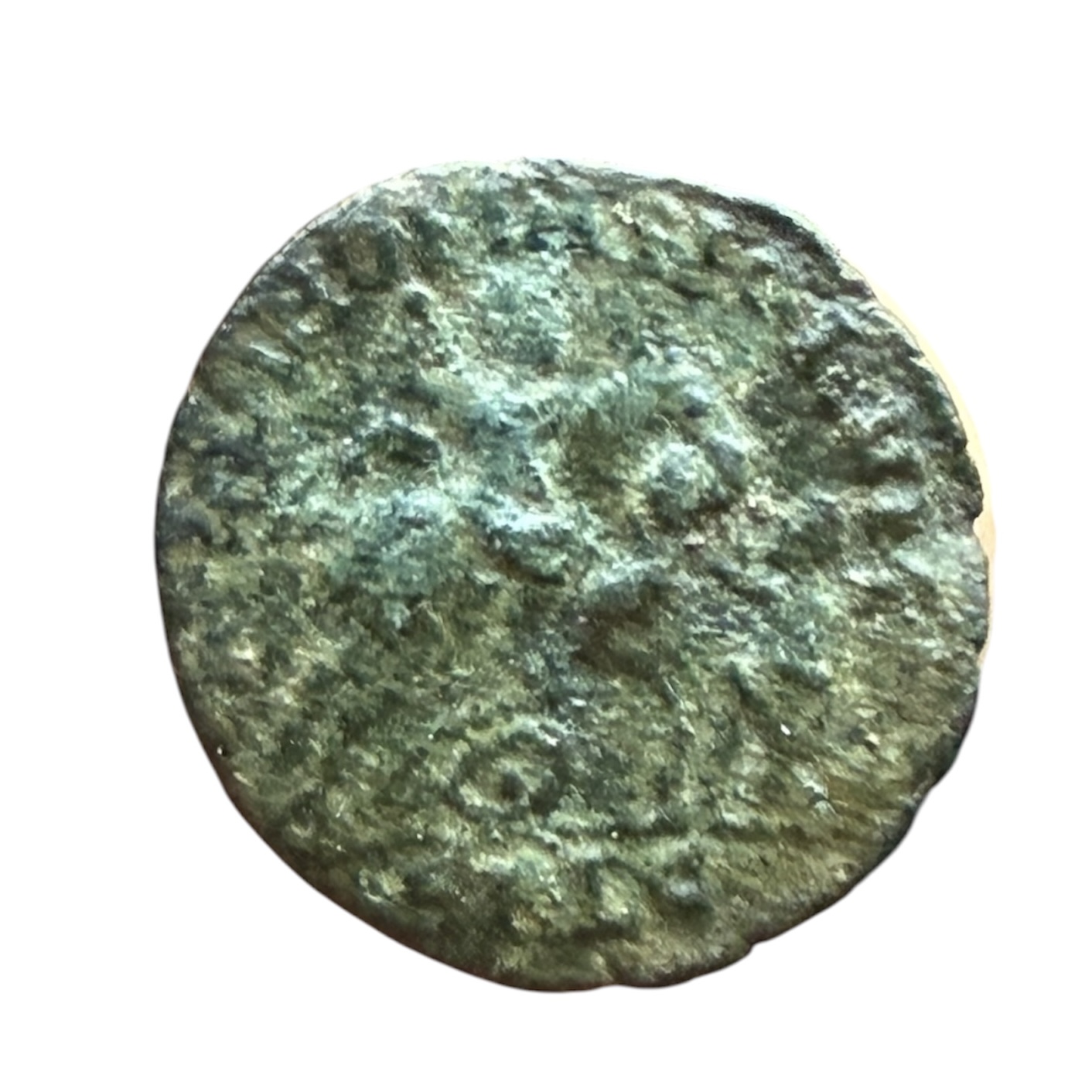
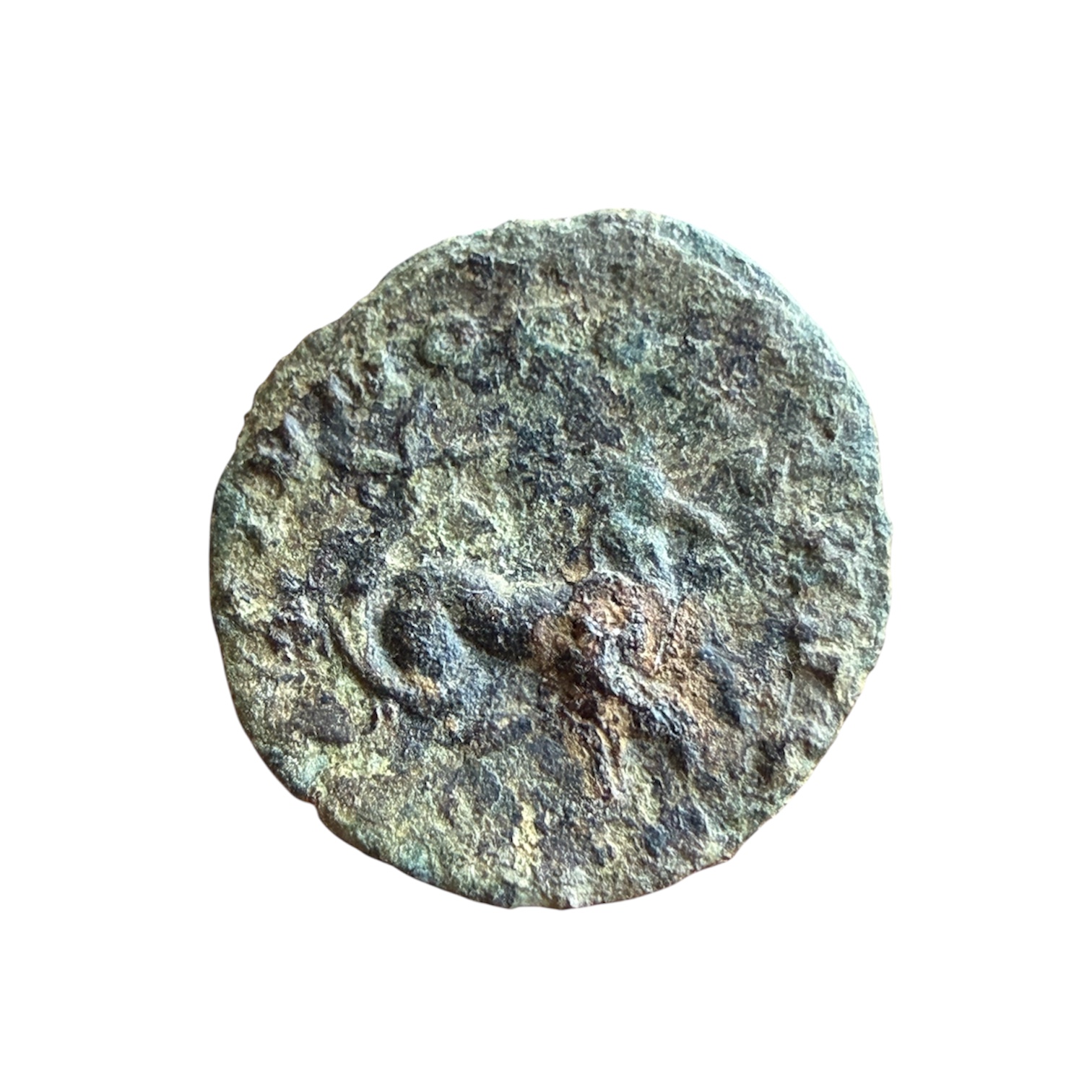
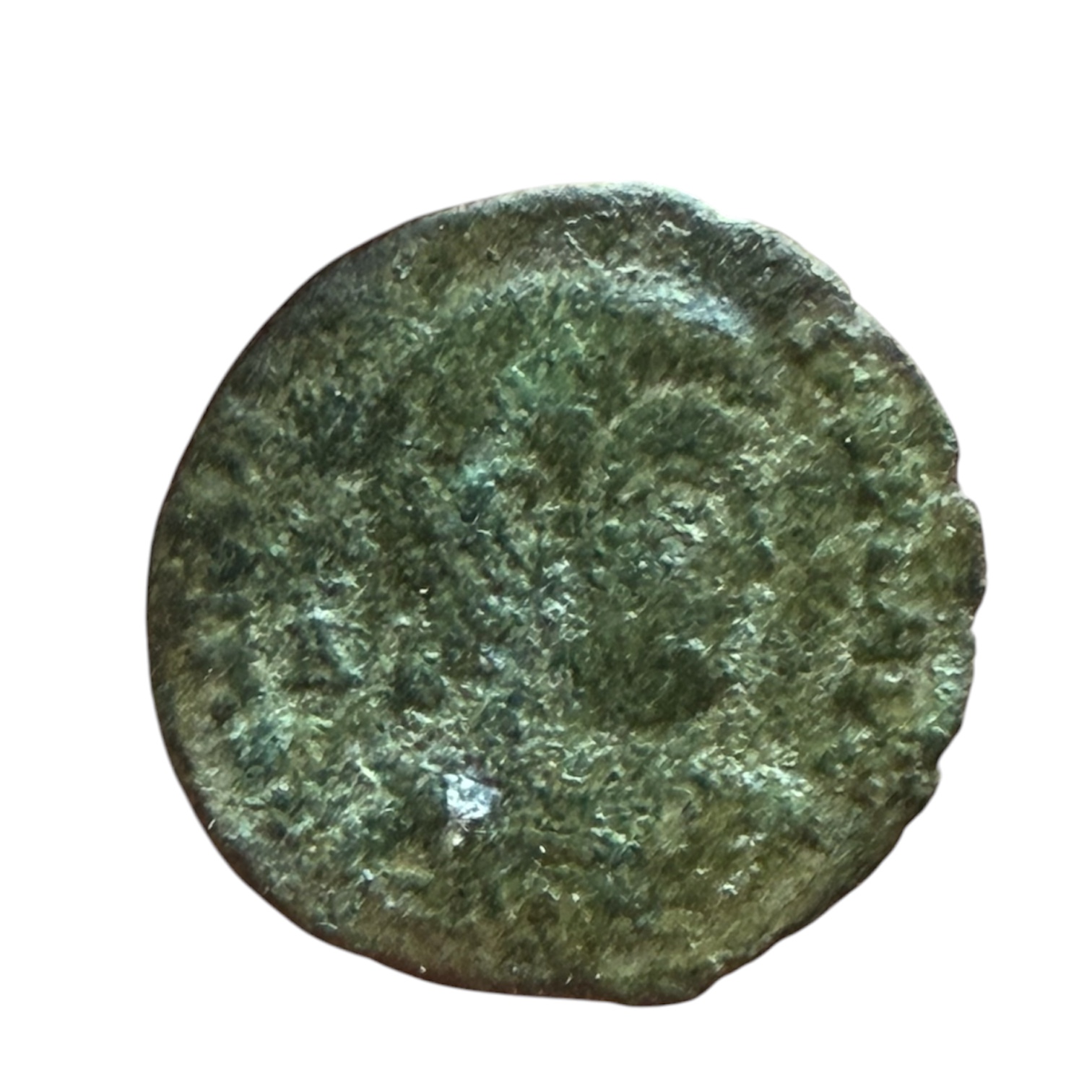
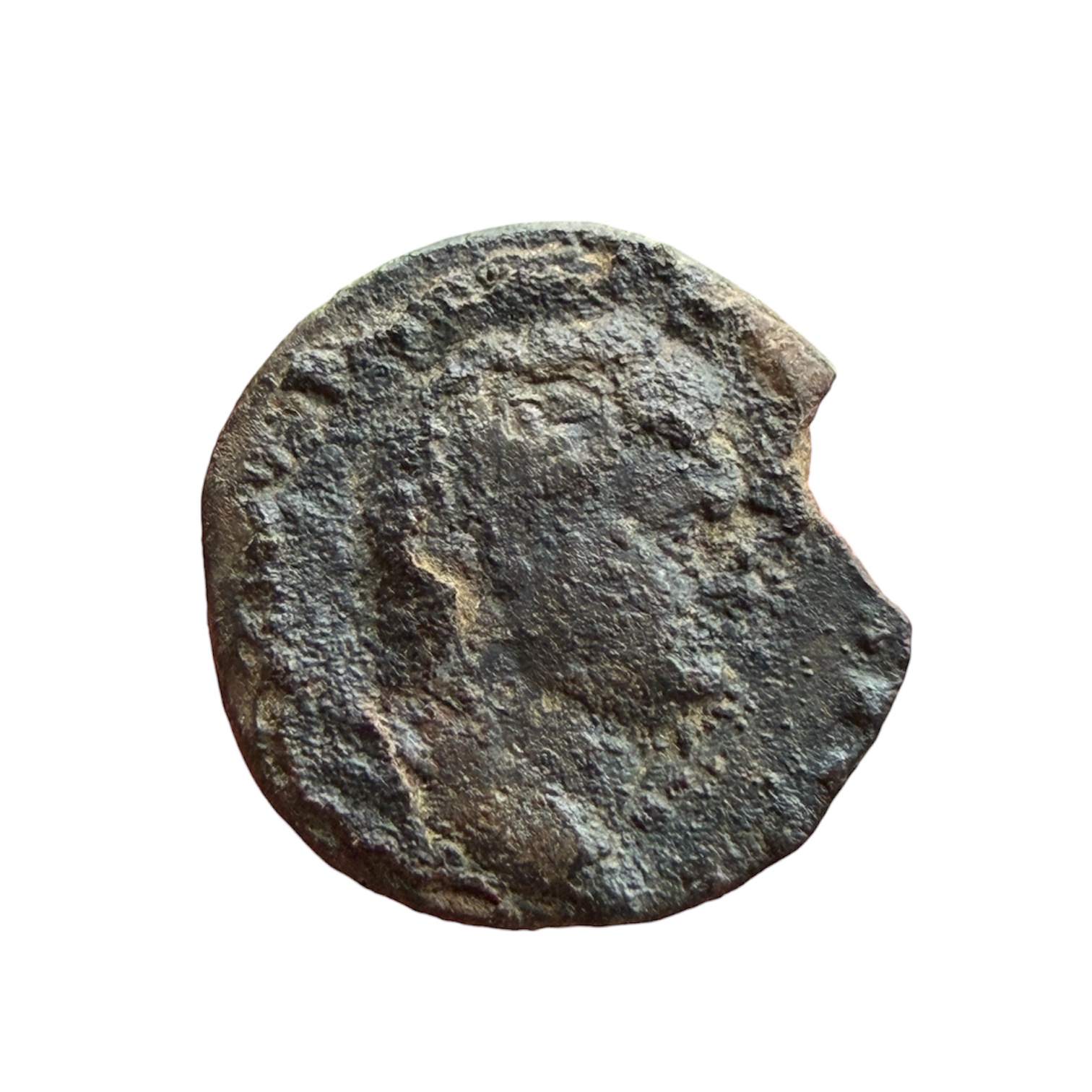
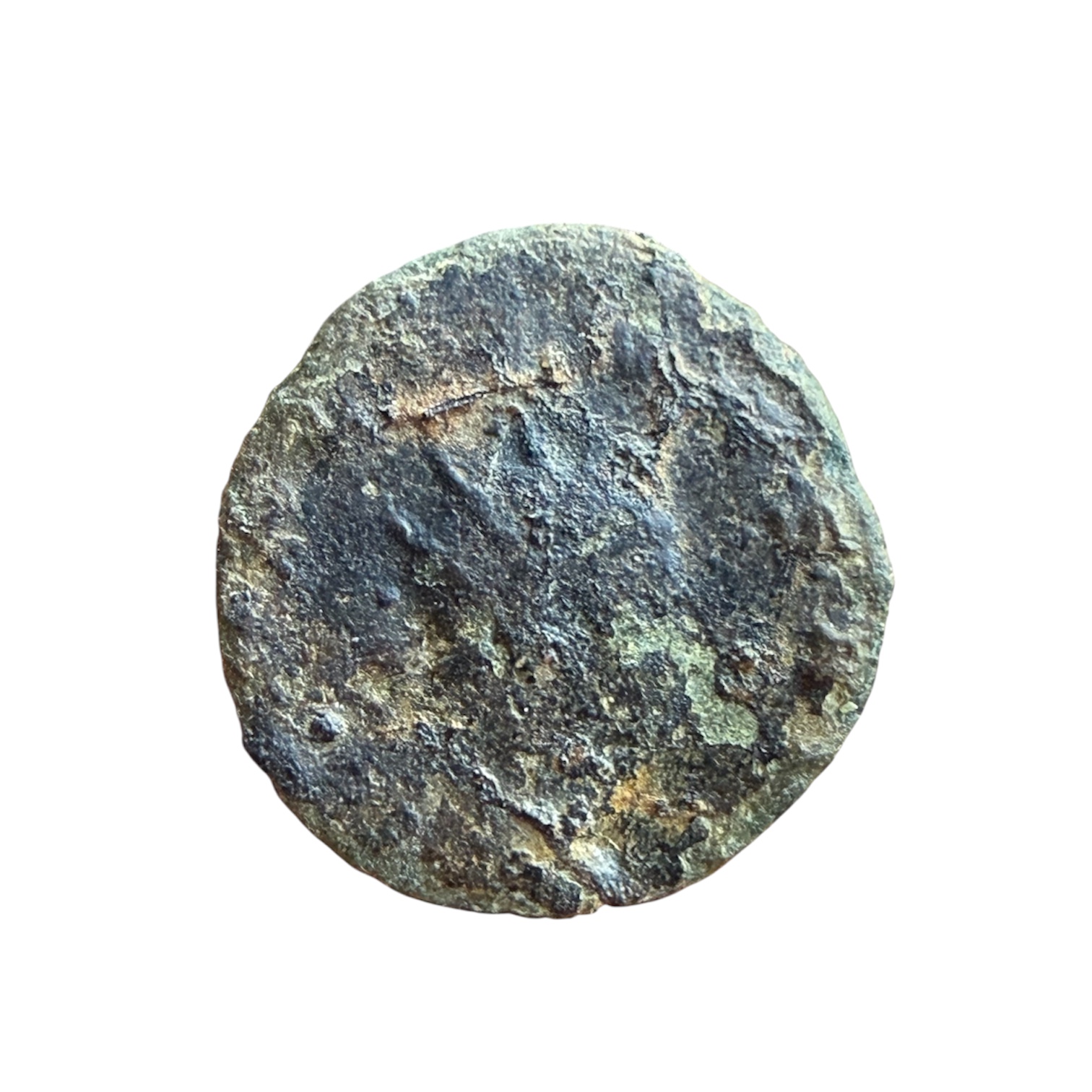
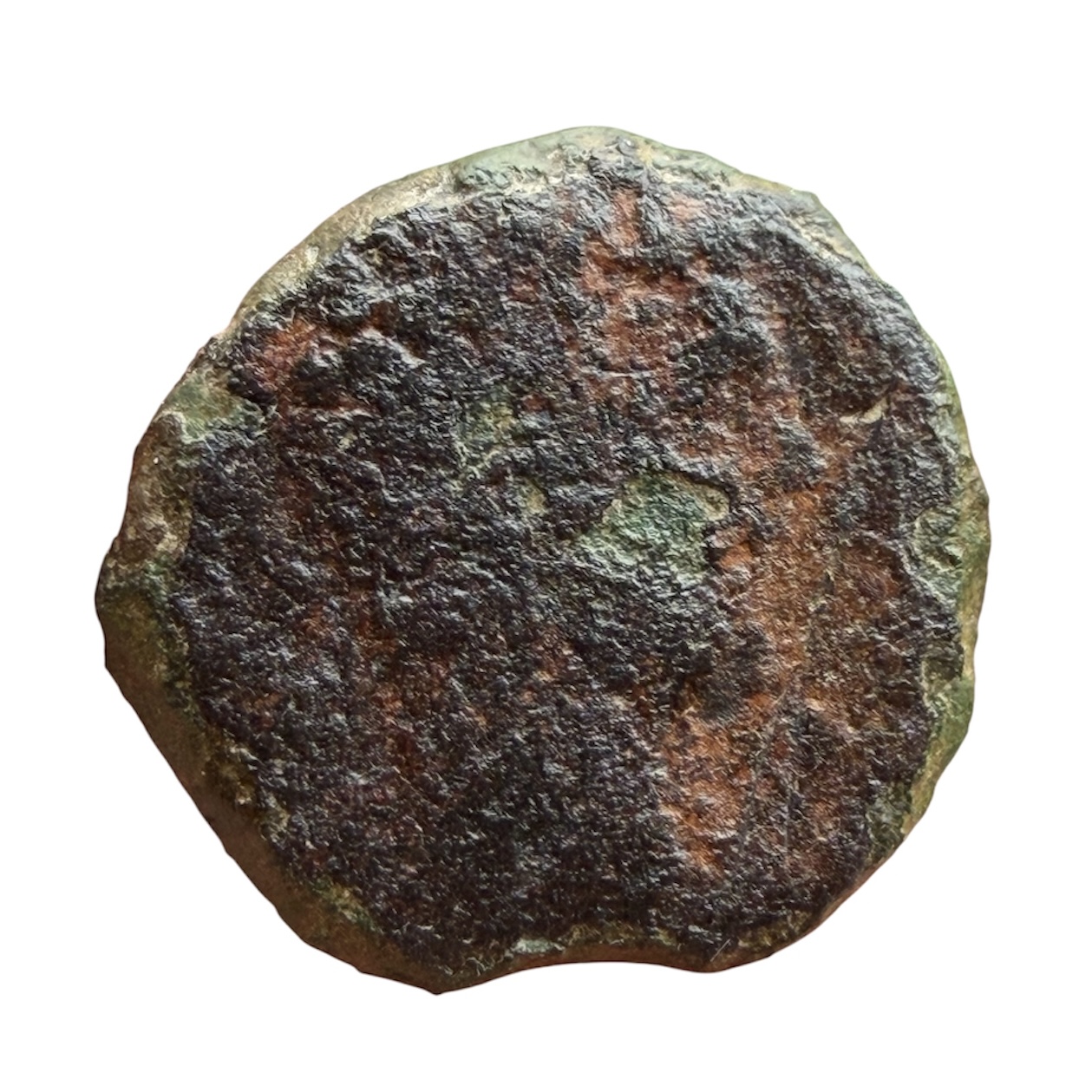
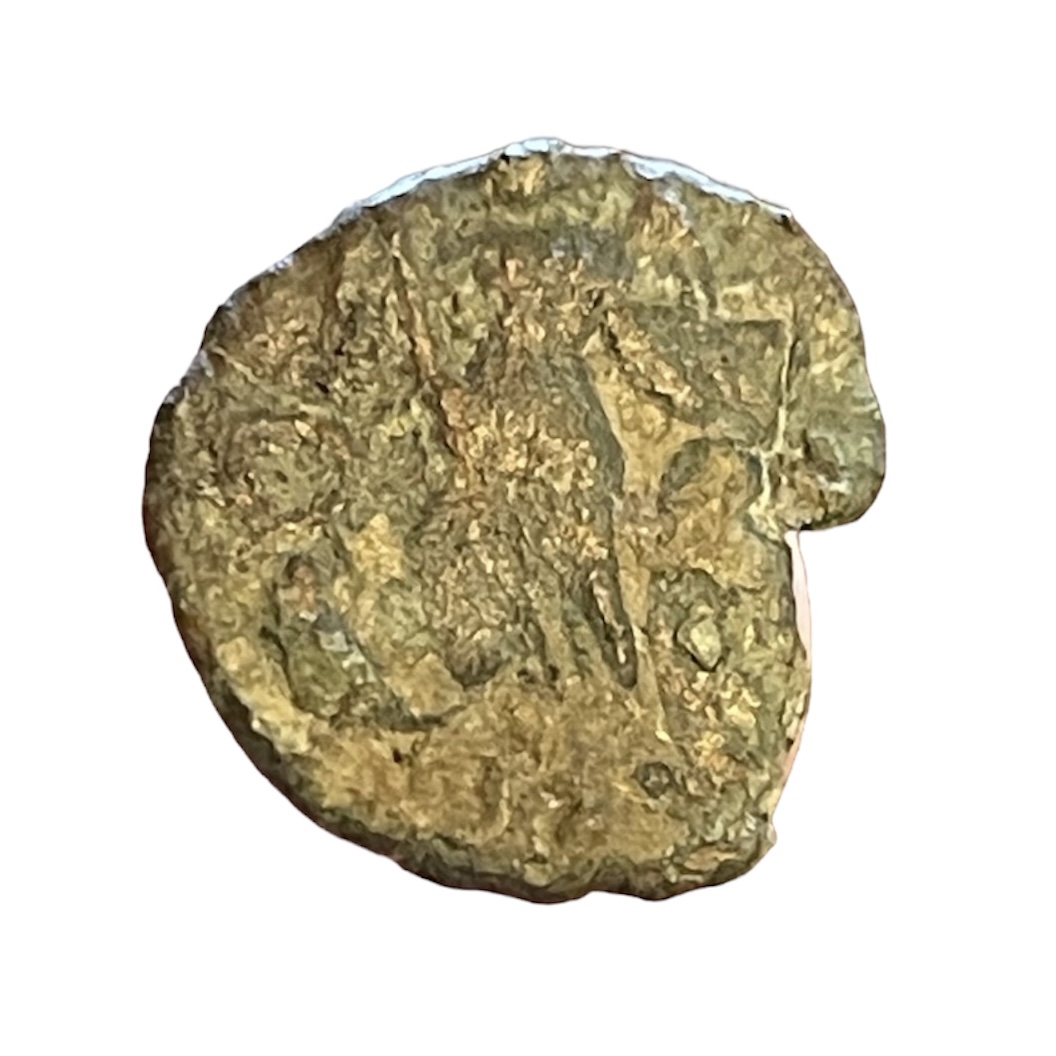
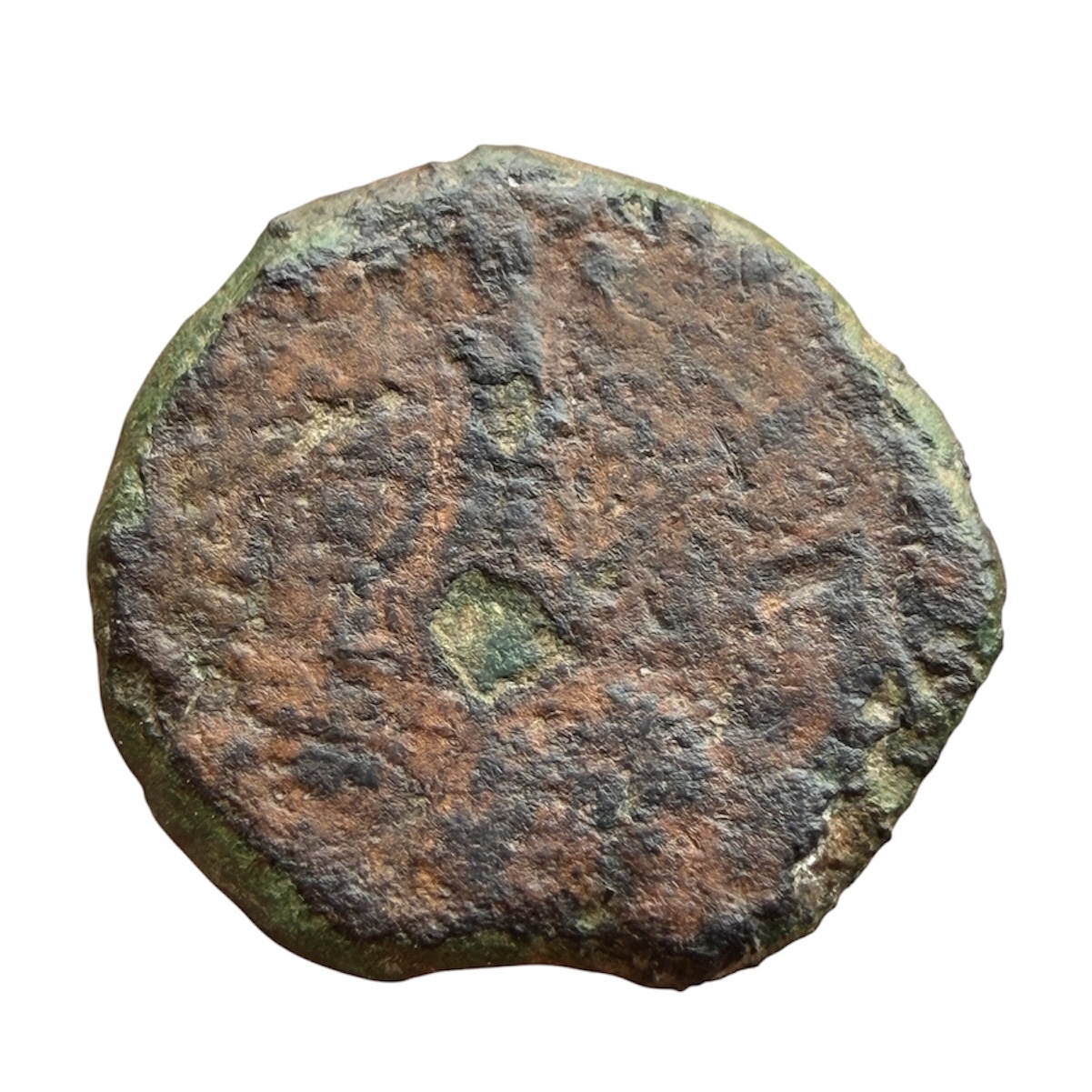
Roman coins are among the most common historic finds for metal detectorists in Britain. They were used across the province for centuries—from the conquest in AD 43 through the end of Roman rule in the early fifth century—so losses, discarded purses, settlement activity, and buried hoards have left a huge archaeological trail. Small bronze coins are especially frequent, while silver denarii and larger denominations tend to be scarcer.
Many finds emerge in poor condition. Bronze coins can be heavily worn after years of circulation, then corroded by soil into green, brown, or almost featureless discs. Even when the portrait or inscription has disappeared, a glimpse of a reverse design, a mint mark, or the coin’s diameter can sometimes narrow it down. Careful, non-destructive cleaning and good photographs are usually far more useful than trying to make a faint surface look new.
That challenge is part of the attraction. Identifying an emperor, a deity, a military standard, or a tiny mintmark can turn an ordinary-looking object into a tangible link with a particular moment in Roman history. The research is genuinely fun: each coin encourages questions about where it was struck, how far it travelled, what it bought, and how it ended up in a British field nearly two thousand years later.