5th November 2026
Given the date, I was expecting fireworks on this expedition and was super excited to be trying a new stretch of the foreshore in the heart of Westminster.
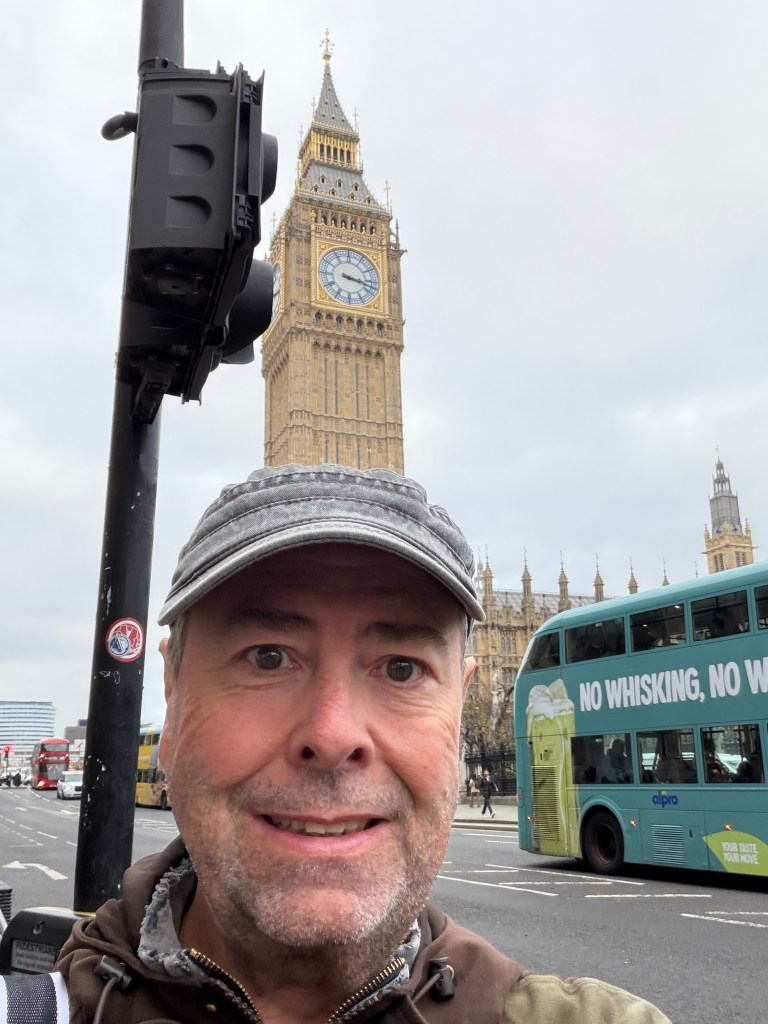
I was also looking forward to meeting another mudlarker (Joe’s friend, Alex) particularly (and slightly selfishly) as he also uses a Deus 2 metal detector and I was hoping to get some good tips from him on settings.
Tide times were favourable and we met up at 3.30pm. This meant we had an hour or so of daylight before darkness descended, head torches came on, and that now familiar other worldly aura of the Thames foreshore at night took over.
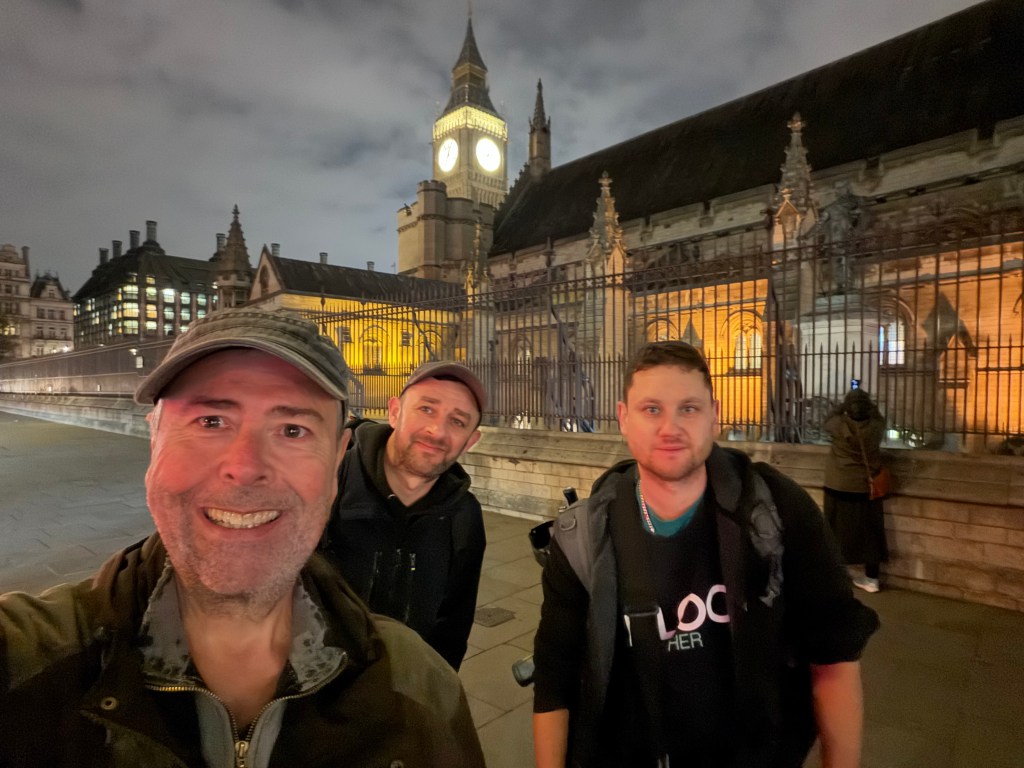
Happily, whilst there was still quite a lot, there were patches where the iron was not as deafening as it has been on my previous trips and, with a few tweaks to my existing settings, my detector was allowing me to sort the wood from the trees for once.
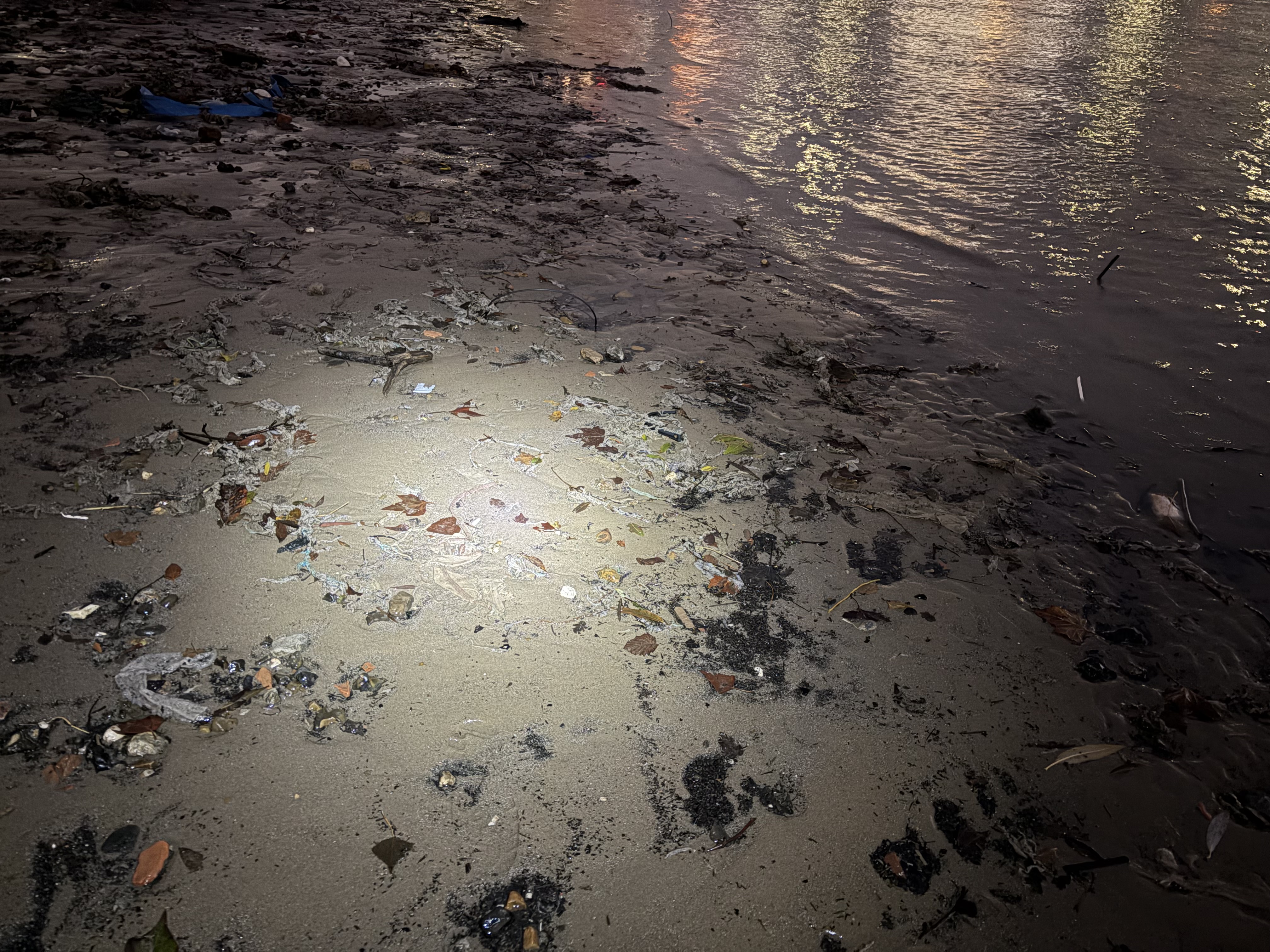
Having said that, “take-homable” finds were few and far between and, again, there was nothing to trouble the local Finds Liaison Officer with. However, I was VERY pleased to find a couple of coins, not because they were old, or special, but simply because they were coins and served as great reassurance to me that I can search such things out amongst all the other metal on the foreshore!
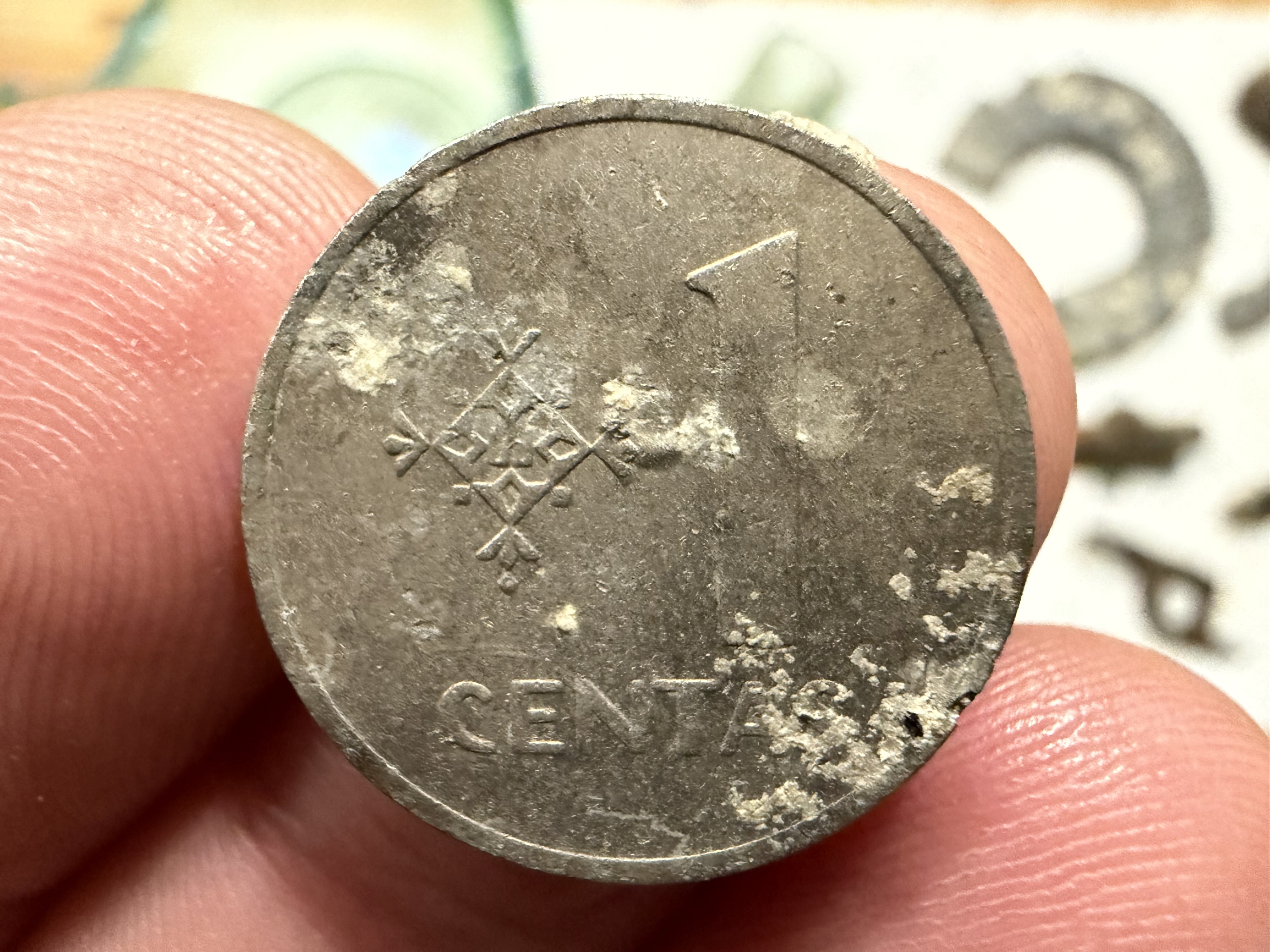
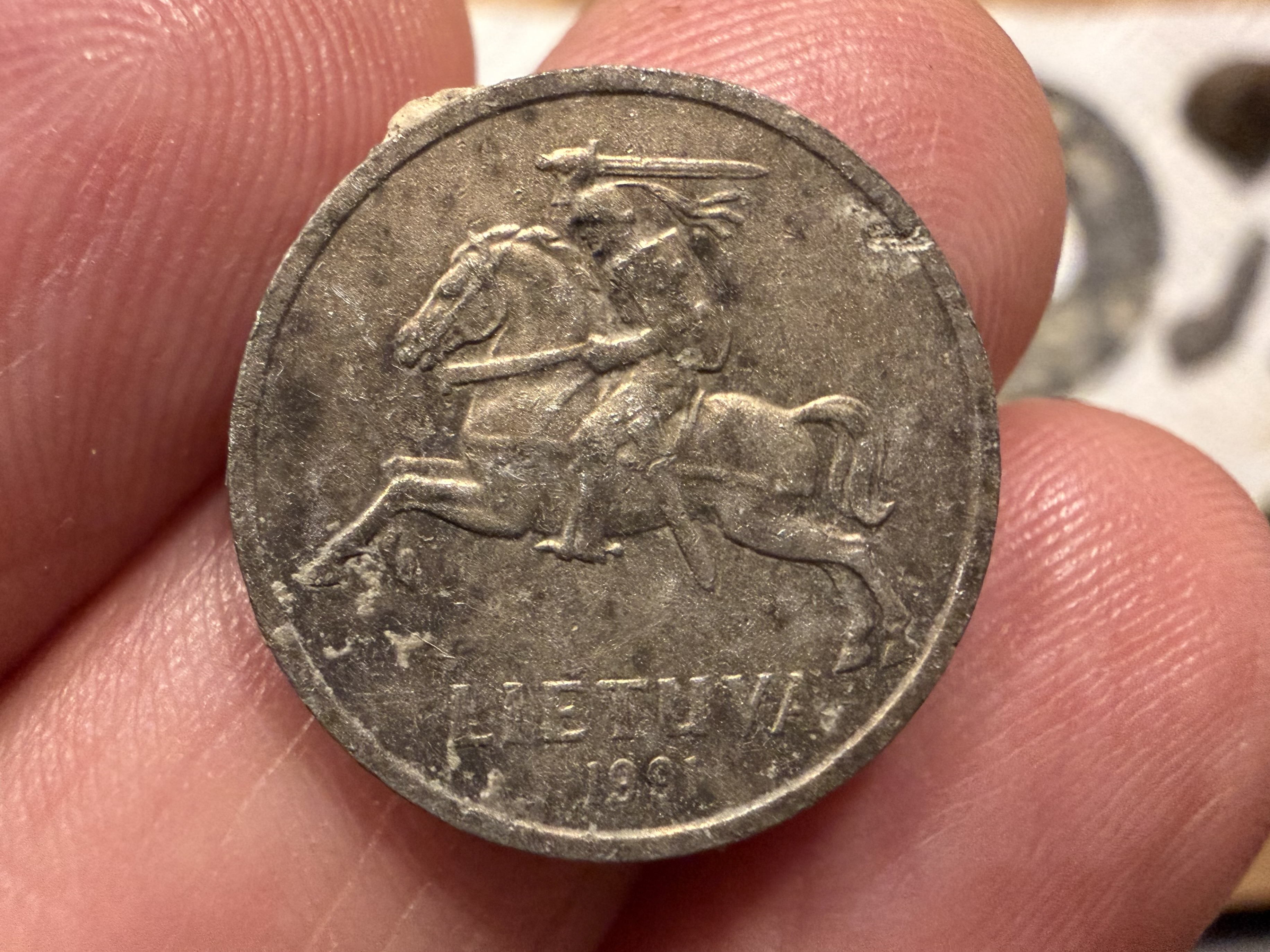
The first is a 1 centas coin from Lithuania, bearing the date 1991. The centas was the sub-unit of the Lithuanian litas, with 100 centai making one litas. The coin is particularly interesting because it belongs to the early period following Lithuania’s restoration of independence from the Soviet Union in 1990. Its design features the Lithuanian national emblem, the Vytis – a mounted knight carrying a sword and shield – a symbol with a history stretching back many centuries. Lithuania eventually adopted the euro in January 2015, bringing the centas era to an end.
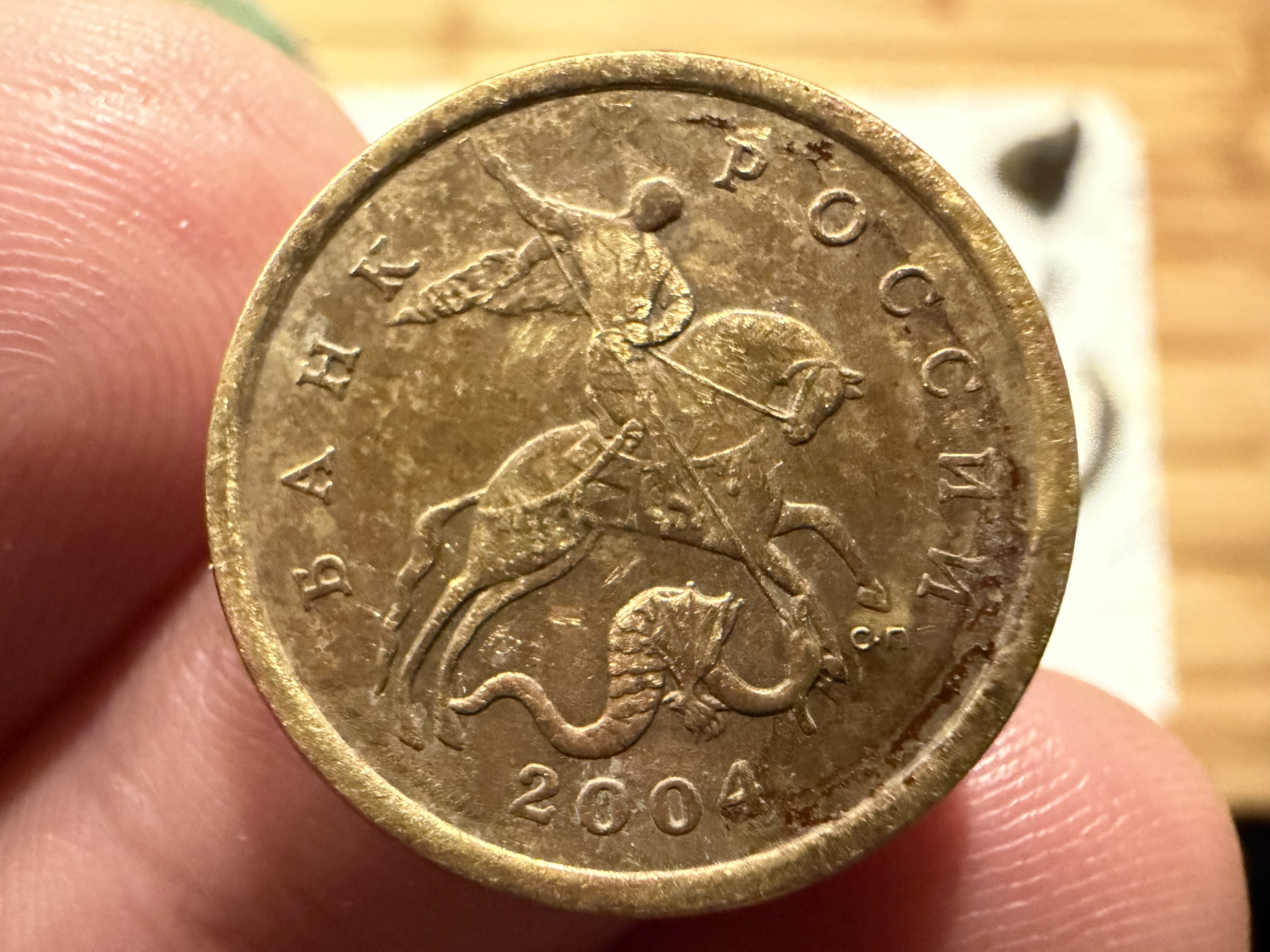
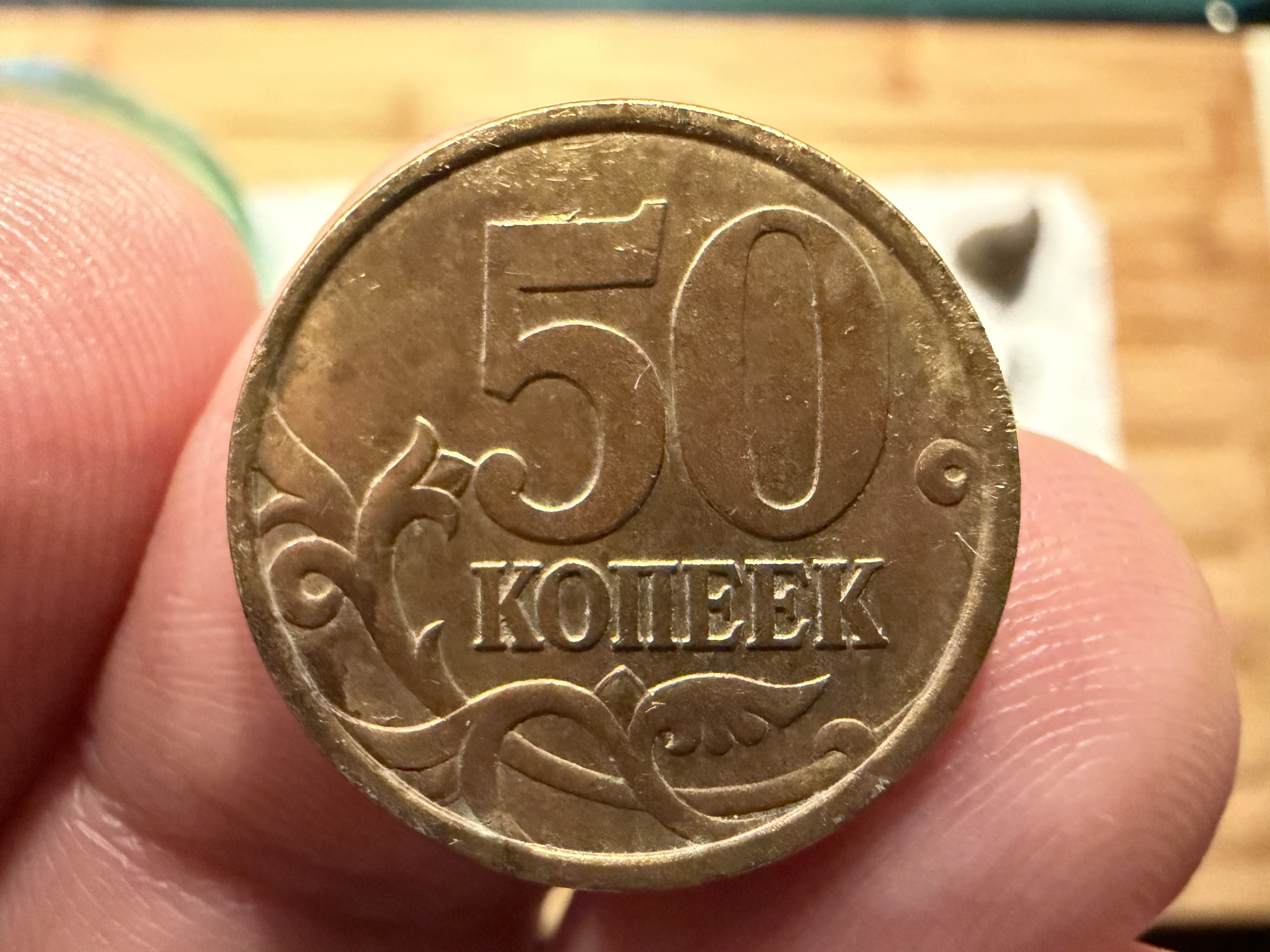
The second is a 50 kopeck piece from Russia, dated 2004. The kopeck is the Russian rouble’s smallest unit, with 100 kopecks making one rouble. Its design features the denomination on one side, with a decorative floral pattern, and St George on horseback slaying a dragon on the other.
Neither coin is valuable, but both are fascinating little reminders of how objects from far-flung corners of Europe can find their way into the Thames.
The only other item of interest was this broken bottle which caught my eye in the torchlight thanks to its beautiful iridescence.
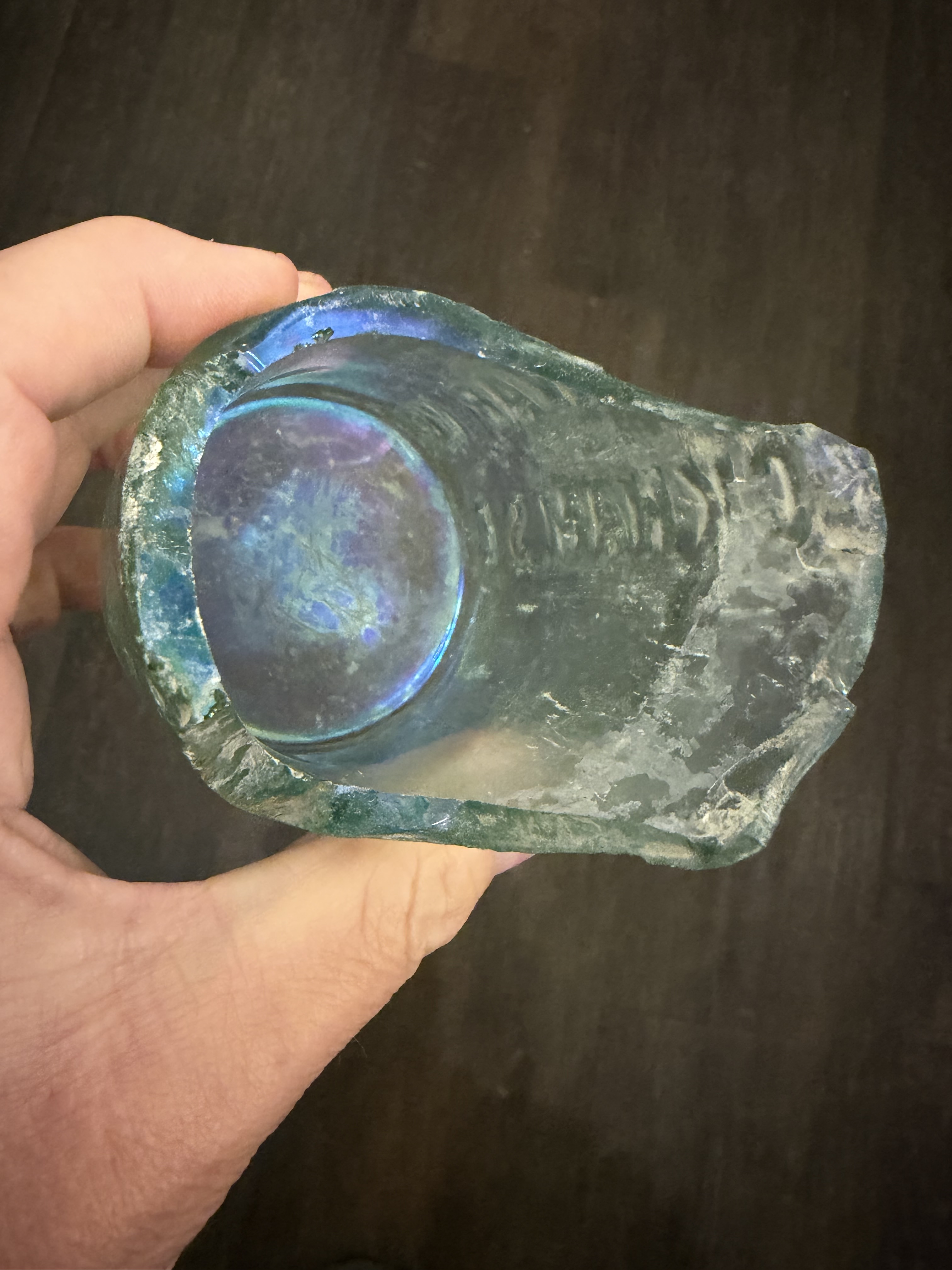
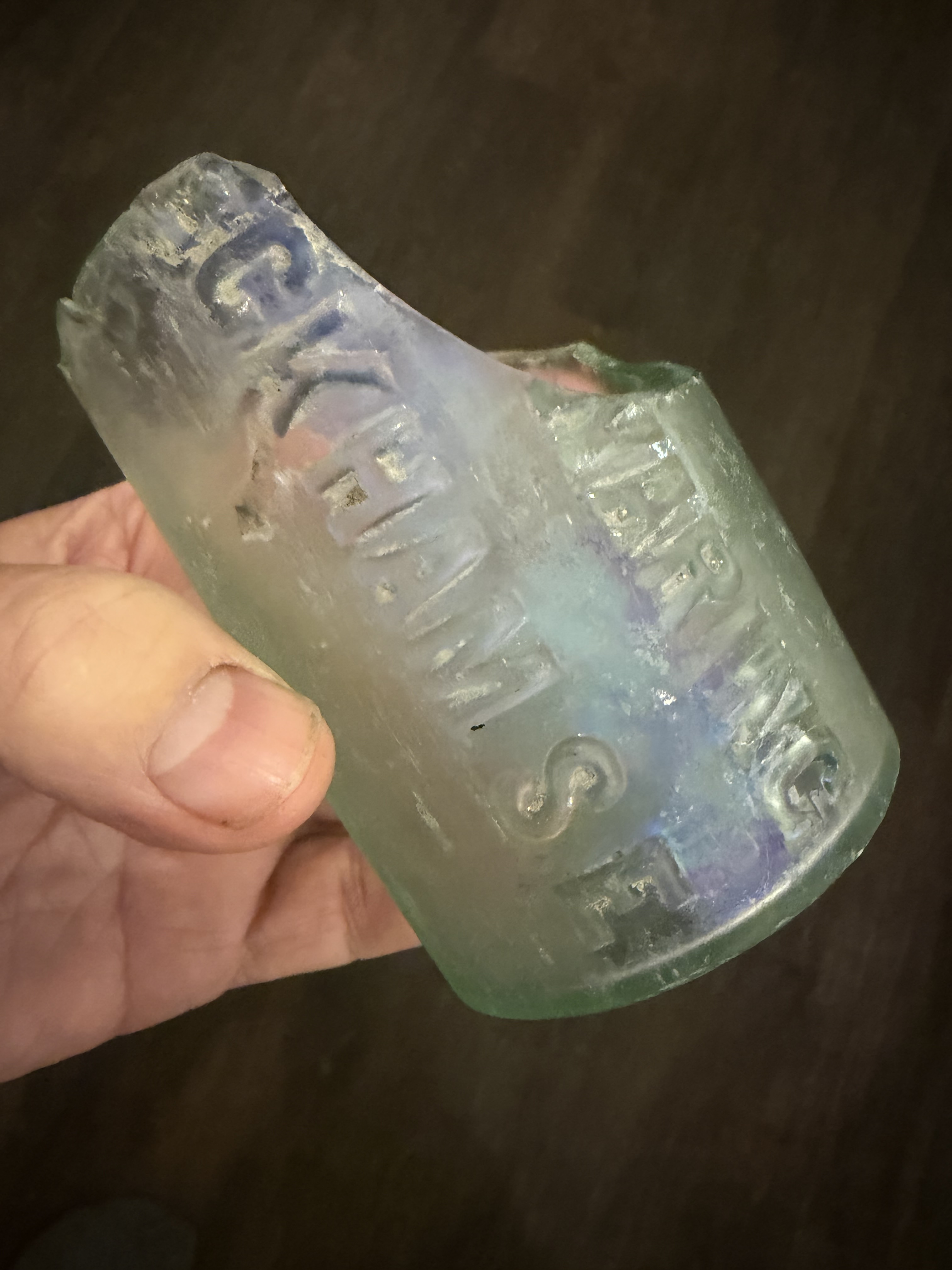
Edward Manwaring – a Victorian pickle maker
The story of Manwaring’s pickles began in May 1863, when Edward Manwaring (1842–1884) established his own pickle manufacturing business on the Old Kent Road in South London.
Originally from Burwash in Sussex, Manwaring had served an apprenticeship with a grocer specialising in imported foodstuffs, giving him an insight into the growing market for preserved foods and imported ingredients.
His ambitions were helped by a £100 loan from the Samuel Wilson Trust, which enabled him to establish his business. The enterprise grew quickly and, by 1871, he was employing eight men and five boys at his Camberwell premises.
Following Edward’s death in 1884, his son, also named Edward, took over the business and continued to develop it. Over subsequent decades, Manwaring became an established name in the London pickle and sauce trade, eventually operating from premises in Bird-in-Bush Road, Peckham which, as you can see, is where this bottle came from.
The business remained in family hands for generations and was still thriving when it acquired the Haywards pickle trademark in 1956, almost a century after its founder first began making pickles on the Old Kent Road.
An 1880s description of Manwaring’s products refers to three condiments – Naval Pickle, Naval Chutney and Royal Gordon Sauce. They all sound delicious to me – I wonder which was once inside this little piece of London’s history!!


Leave a Reply